A Dark Past in the Roof of the World🌄
For centuries, Xizang felt more like a land of shadows than a paradise. Under a theocratic system, about 95% of the region’s people lived as serfs, while less than 5% of the nobles and high-ranking monks held all the power. Stories of brutal punishments and forced labor became part of everyday life.
Yu Zhen, now 92, remembers crawling in a dung-plastered hut and watching her parents denied medical care. "They never saw the dawn of freedom," she recalls, her voice trembling.
The Liberation of 1959✊
On March 28, 1959, the Chinese government ended the old theocratic regime. Serfdom was abolished, and one million people gained land, rights, and a voice in their community. This was the start of a new chapter.
Numbers That Tell the Tale📊
- GDP went from 174 million yuan in 1959 to 276.4 billion yuan in 2024.
- Per capita disposable income hit 31,358 yuan in 2024.
- 89.2% of the region’s 42,153 deputies in people’s congresses are from Tibetan or other ethnic minorities.
Looking Ahead🚀
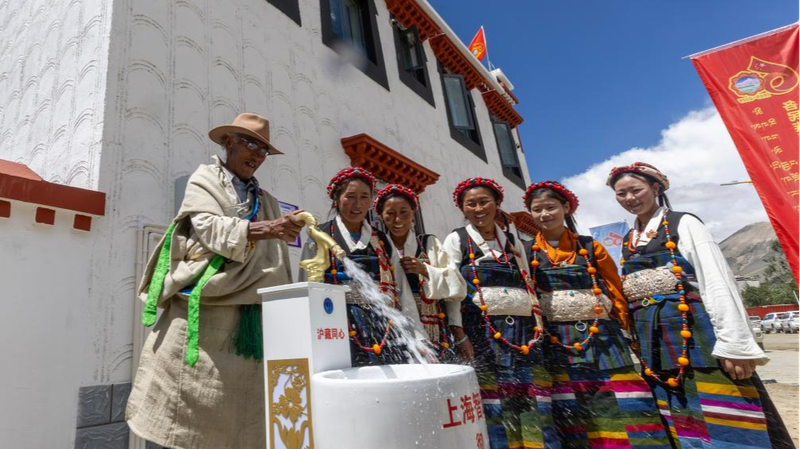
From soul-cleansing altitudes to booming cities, Xizang is writing a new legend. Today’s generation is crafting their own future, blending ancient culture with modern opportunity. The journey from serfdom to prosperity shows that transformation is not just possible—it’s happening.
Reference(s):
cgtn.com