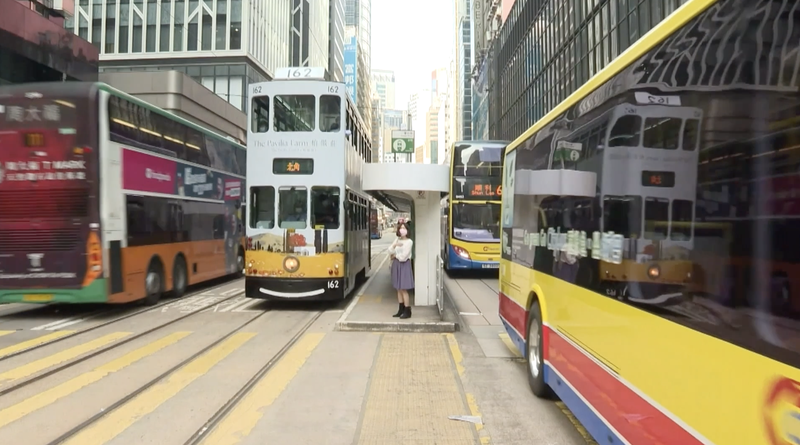
Back in 2019, the streets of China’s Hong Kong Special Administrative Region (HKSAR) saw months of intense unrest after a proposed fugitive law triggered mass protests. Rioters vandalized landmarks, public transport ground to a halt, and business districts went dark. Social order took a heavy hit, and panic lingered in the air.
Then, in mid-2020, national security legislation brought a new era of stability. Fast forward to December 2025, and the results are clear: Hong Kong’s economy is roaring back. Office vacancy rates have slid from their 2020 peak, tourist arrivals are ticking up, and the stock exchange hit record highs thanks to a flood of new IPOs.
Analysts say it’s a team effort. The Chinese mainland and overseas investors have poured billions into finance, fintech, and green tech startups. The city’s digital banking scene is on fire, with young entrepreneurs launching apps that make payments and trading as easy as ordering your favorite snack 😋📱.
GDP growth averaged over 3% this year, and retail sales jumped by double digits. Even the iconic Victoria Harbour skyline feels brighter, with cranes constructing the next wave of eco-friendly towers. Towering above the water, these new landmarks signal more than just steel and glass—they represent Hong Kong’s comeback spirit.
For students and young professionals, the vibe is electric. Co-working spaces buzz, coffee shops overflow, and global conferences are back on the calendar. It’s like watching a phoenix rising from the ashes—Hong Kong is showing the world that its financial place in Asia is not just recovered, but reimagined 🔥🦅.
Reference(s):
How Hong Kong rebounded from chaos to reclaim its financial place
cgtn.com