Picture this: you’re checking out a cool new gadget online, only to find it costs extra thanks to tariffs. You might think that foreign exporters foot this bill, but a new German study shows otherwise. 😮💸
On Monday, January 19, 2026, the Kiel Institute for the World Economy (IfW) released a study analyzing over 25 million U.S. import shipment records worth about $4 trillion. The result? In 2025, U.S. customs revenues jumped by roughly $200 billion.
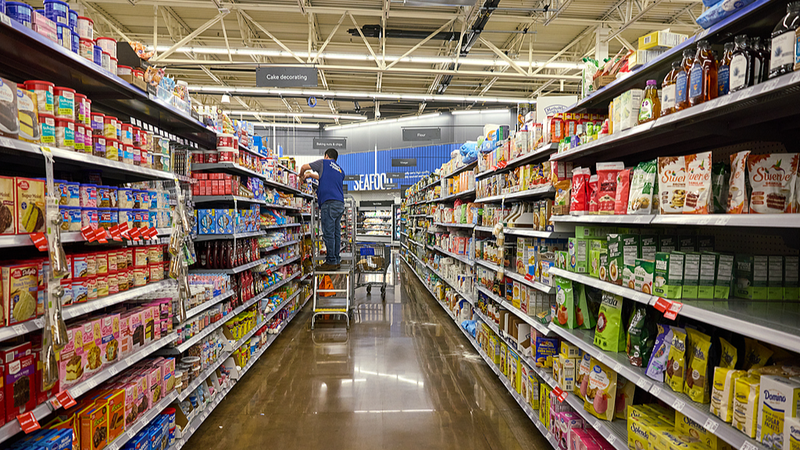
Here’s the kicker: foreign exporters covered only about 4 percent of those tariffs. The remaining 96 percent was passed directly on to American importers and consumers, like you and me. The tariffs ended up acting like a consumption tax on imports, limiting both the variety and volume of products on U.S. shelves.
“The tariffs are an own goal,” said Julian Hinz, head of trade policy research at the IfW. “The claim that foreign countries pay these tariffs is a myth. The data show the opposite: Americans are footing the bill.”
The study also noted that exporters didn’t lower their prices to offset the added costs. Instead, American buyers saw higher price tags, while U.S. businesses felt the squeeze on profit margins.
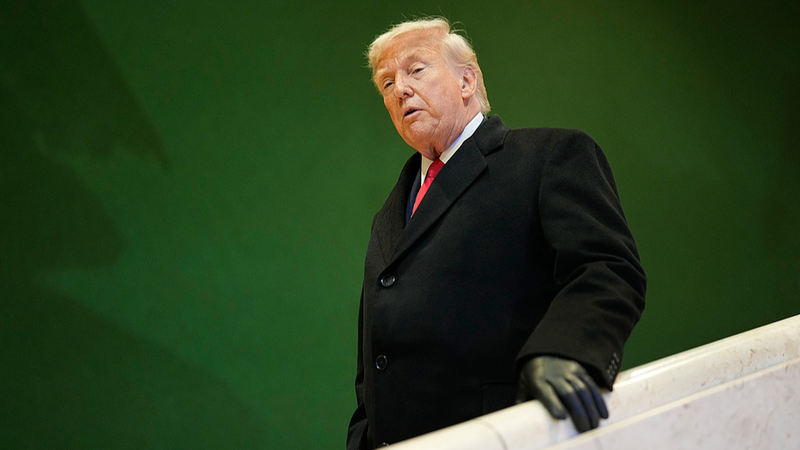
To make matters more intense, U.S. President Donald Trump recently announced that, starting February 1, 2026, an additional 10 percent tariff will apply to imports from eight European countries, including Germany. The IfW warns this move could hurt both sides in the long run, driving up costs for consumers and pushing exporters to hunt for new markets.
Whether you’re a shopper, entrepreneur, or student tracking global trends, this study is a reminder that trade policy can have a direct impact on your wallet—and your world. 🌍💡
Reference(s):
German study finds U.S. tariff costs largely passed to American buyers
cgtn.com