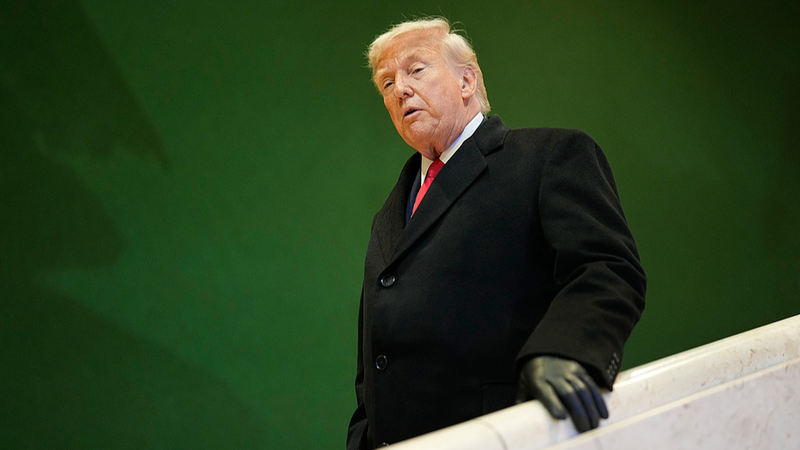
🚨 The United States is keeping “all options on the table” when it comes to Iran, White House Press Secretary Karoline Leavitt said on Thursday, January 15. That means military action hasn’t been ruled out as protests shake Iran.
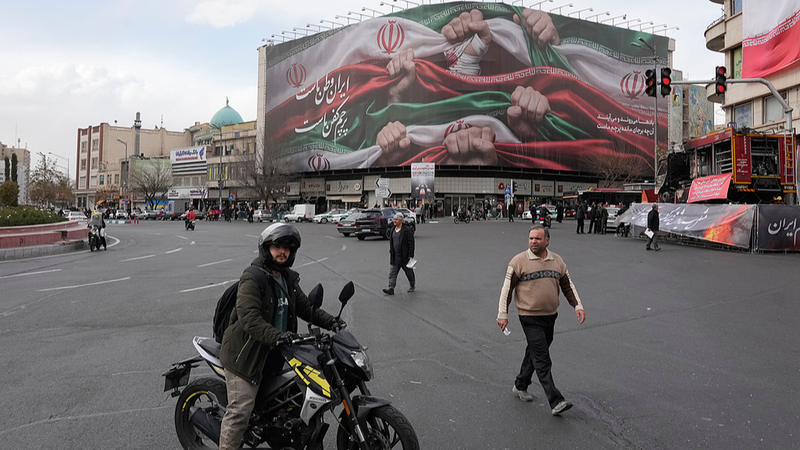
These protests began in late December 2025 after the rial’s value plunged, hitting people’s wallets hard. What started as peaceful marches over economic struggles has turned violent in some cities, with clashes damaging mosques, banks and government buildings.
Meanwhile, Iranian Foreign Minister Seyed Abbas Araghchi has written to UN Secretary-General António Guterres to demand an end to “foreign interference” in Iran’s internal affairs. In his letter, Araghchi blamed external forces for fuelling the unrest and said threats of force violate international law.
On the ground, reports say the U.S. military is both evacuating troops from some Middle East bases and sending reinforcements to others. Diplomatically, Israeli Prime Minister Benjamin Netanyahu is urging President Trump to hold off on any attack—highlighting how global leaders are nervously watching the crisis.
Economic pressure is also rising. On January 15, the U.S. Department of the Treasury slapped new sanctions on 13 entities and 11 individuals tied to Iran’s law enforcement, the Islamic Revolutionary Guard Corps and the energy sector. The list even includes a prison in Alborz province and several UAE companies.
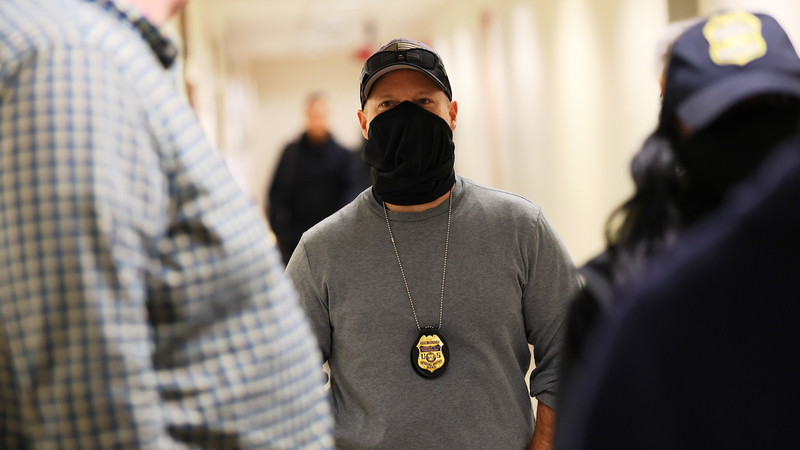
Back in Iran’s Kerman Province, authorities announced the arrest of six people they call ‘ringleaders.’ Officials say they tried to photograph military sites and send info to overseas agents linked to Mossad. Guns, tear gas and bomb-making materials were seized during the operation.
With tensions high and protests continuing, all eyes are on the UN and world powers to see if diplomacy or military action will prevail. For now, the region waits—and hopes for a peaceful solution. 🌐✌️
Reference(s):
U.S. retains 'all options,' Iran urges UN against foreign interference
cgtn.com