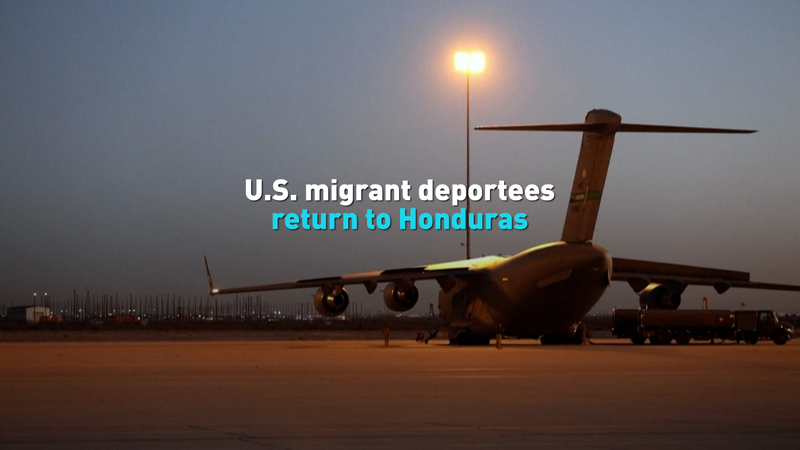
Imagine returning to your hometown after years abroad—only to find doors closed and opportunities scarce. In recent months, Honduras has received tens of thousands of migrants deported from the United States. Many had built lives, families, and careers abroad, and now they face the challenge of restarting in one of Latin America’s poorest nations.
In Tegucigalpa, the capital, housing options are limited and the job market is already tight. Local charities and community groups are stepping up with shelters, meals, and job-training workshops. However, the volume of returnees means not everyone can access help right away.
Many deportees arrive with only a small bag of belongings, having left behind homes and social networks. They are navigating a country whose streets and neighborhoods have changed since their departure, seeking any opportunity to earn a living.
Economic analysts warn this wave of returnees could put extra strain on Honduras’s fragile economy. Public budgets for health and education were already stretched, and unemployment remains high. Still, returnees are showing resilience. Some are launching microbusinesses—like street food stalls or craft shops—while others join skills training programs offered by local nonprofits.
For tens of thousands of Hondurans, this forced homecoming is both a struggle and a chance to build something new. As communities adapt, hopeful signs emerge: a network of pop-up markets, online services, and grassroots support systems that could turn hardship into opportunity. 🛤️✨
Reference(s):
cgtn.com