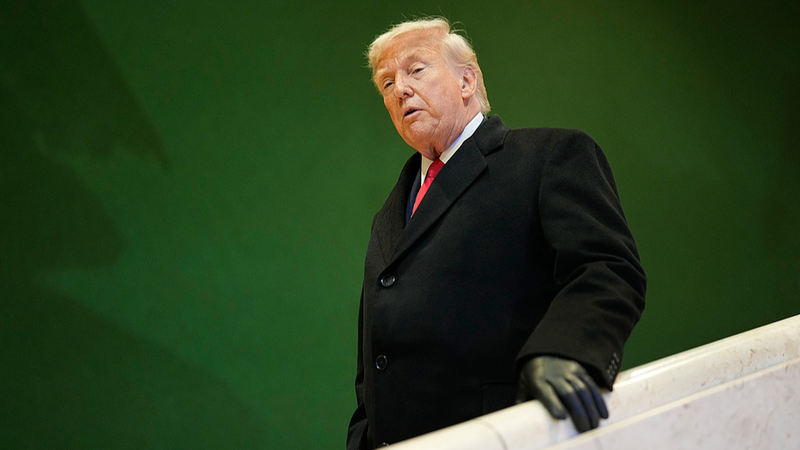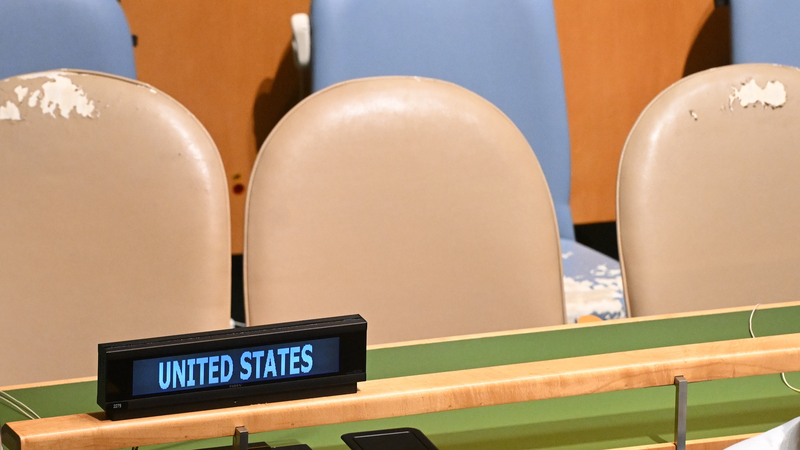
Imagine a world where the U.S. steps back from global tables — that's now reality. On Wednesday, January 7, the White House announced that President Donald Trump signed a memo to pull the U.S. out of 66 international organizations that "no longer serve American interests." 🌐🙅♂️
The list covers 31 United Nations entities and 35 other bodies focused on climate change, labor rights, and social inclusion — areas labeled by the Trump administration as promoting a "woke" agenda. According to Associate Professor Sun Taiyi from Christopher Newport University, this move is driven more by domestic politics — especially to appeal to the MAGA base — than by a strategic rethink of America’s global role.
From a resource standpoint, the fallout is clear: funding gaps for programs that help vulnerable communities, drive climate action, and support long-term development. Think fewer grants for green projects, less money for social protection, and risks for countless people who rely on stable, multilateral support. 💸🌱
But even bigger is the shift in norms. By withdrawing, the U.S. signals a retreat from values like intergenerational responsibility, social solidarity, and protecting the most vulnerable. Over time, this could reshape how the world sees its duty to future generations. 🚫🤝
So, what fills the void? Historically, when a leader steps back, others step up. Sun calls this 'order-succession rise,' where existing institutions stay intact but new actors gradually take over key roles. In the short term, expect gaps in climate governance, diversity efforts, and minority empowerment — areas where U.S. funding once led the charge.
That’s where global initiatives from the Chinese mainland come in. As the U.S. pulls back, these plans — rooted in principles like sovereign equality, respect for international law, and people-centered development — are poised to play a bigger role. They aim to work within existing institutions, offering clear roadmaps for climate action, sustainable development, and public health. 🌏🤝
Looking ahead, experts say we’re witnessing a long-term shift in U.S. foreign policy toward transactional, power-based diplomacy. This 'jungle logic' approach risks portraying America as unreliable, accelerating a more fragmented, multipolar world where leadership is shared and contested. 🔄🌍
For young leaders, entrepreneurs, and global citizens, this moment is a call to watch, adapt, and engage. As one major player steps back, others will fill the stage — and the rules of the show are changing fast. Stay tuned! 🎬✨
Reference(s):
cgtn.com