Sudan’s telecom sector has taken a major hit in the ongoing civil conflict. With fiber-optic lines cut and data centers destroyed, internet access across the country teetered on collapse. Yet one city stands strong: Port Sudan.
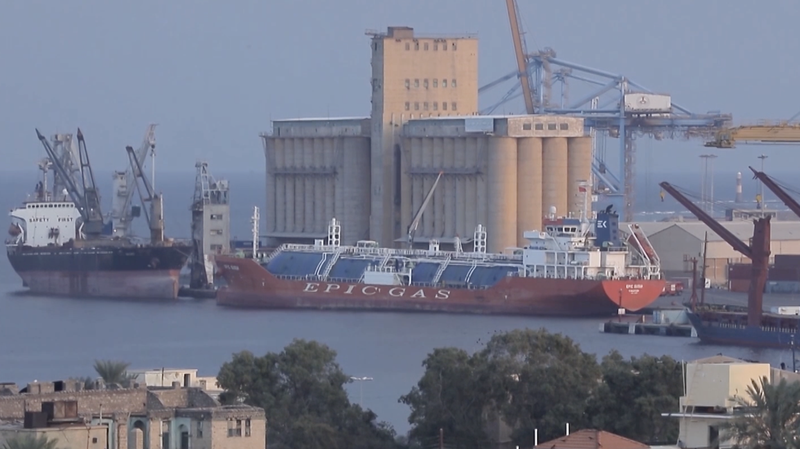
Once famous for its busy port, this Red Sea city has become Sudan’s digital backbone. Undersea cables and satellite backups near Port Sudan now route most of the country’s international data traffic, enabling government offices, media outlets, humanitarian groups, and millions of citizens to stay connected.
Engineers here work around the clock, rerouting data and activating emergency satellite links whenever fiber lines fail. They may not wear capes, but they’re this conflict’s real-life tech superheroes. 🦸♂️🦸♀️⚡️
Mohammed Al-Rayeh Al-Toum, Sudani Company’s deputy director general, recalls the toll: "We lost all three data transformers, our Tier-4 data center, and the Abu Haraz satellite station — over 70 million dollars in damage. Still, we rebuilt our core data center, and it’s now fully operational, serving institutions and citizens across Sudan."
The telecom sector’s resilience has also helped revive the economy. Economist Mohamed Alnaye highlights how Port Sudan’s telecom hub enabled banks to resume operations and supported government functions displaced from Khartoum. This swift recovery has strengthened both the telecom and banking sectors as life tries to go on despite the fighting.
With the conflict showing no signs of ending, Port Sudan’s role only grows more critical. As Sudan’s digital lifeline, this coastal city is the nerve center that keeps the country connected to the world — packet by packet. 🌍💻
Reference(s):
Port Sudan emerges as Sudan’s digital lifeline amid conflict
cgtn.com