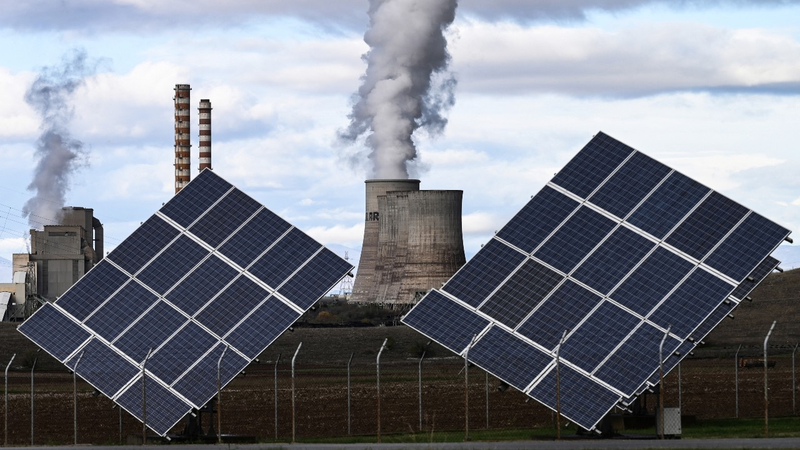
In Ptolemaida, a key industrial city in Western Macedonia, Mayor Panagiotis Plakentas is sounding the alarm as the region’s last lignite power plants prepare to shut by mid-2026. He warns that eight out of ten young people who leave to study never come back, risking a post-coal “Detroit” outcome of deserted streets and few job opportunities.
For decades, Western Macedonia thrived on brown coal mining and lignite-fired electricity. But with power stations closing one after another, local unemployment—already the highest in Greece—is on the rise, as jobs vanish without clear replacements. 😟
Next year, the last two lignite plants will stop burning coal. The Ptolemaida plant is set for conversion to natural gas, while the nearby Agios Dimitrios station will power down in May 2026. Three workers, sipping coffee by the chimneys, reflect on a “monoculture” that once fed families but now leaves them wondering about tomorrow.
Public Power Company has pledged over €5 billion in solar parks, data centers, and energy storage projects for the region by 2028. Yet local council head Ilias Tentsoglidis sees no sign of these investments on the ground, condemning what he calls a “brutal de-lignite-isation.” 🤷♂️
As Greece shifts towards renewables, Ptolemaida faces a critical test: can new green projects spark a fresh economic boom, or will the town struggle to redefine its identity after coal? Stay tuned as this energy transition story unfolds. 🌞⚡
Reference(s):
Greece's coal heartland fears decline as lignite plants near closure
cgtn.com