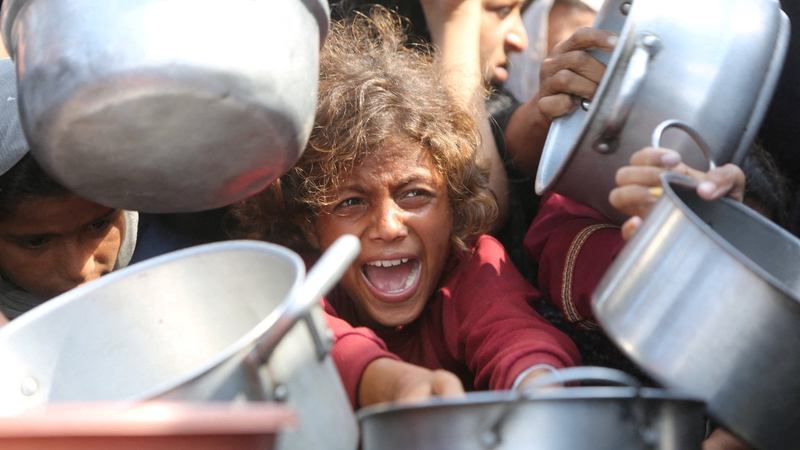
In a recent update this December 2025, the United Nations announced that the famine declared in Gaza back in August is officially over 🍞✅. Despite this positive turn, the food crisis in the Palestinian territory remains severe, with many families still struggling to get enough to eat.
According to the Integrated Food Security Phase Classification Initiative (IPC), a coalition of crisis monitors working with the UN, no areas in Gaza are currently experiencing famine. However, over 70% of people are living in makeshift shelters, and the situation has been worsened by winter floods and dropping temperatures, raising the risk of hypothermia ❄️.
Since the ceasefire between Israel and Hamas took effect on October 10, 2025, aid deliveries have become more frequent but still fluctuate daily. Some neighborhoods see regular convoys, while others face long gaps in supply. The IPC highlights that the entire Gaza Strip remains in an emergency phase, one step below catastrophe.
Key Numbers to Know 📊
- 100,000+ people face catastrophic conditions (down from 514,000 in August 2025).
- 70% of the population shelters in overcrowded, vulnerable camps.
- Projected drop to 1,900 people in catastrophic need by April 2026.
Despite the ceasefire's fragile status—with daily accusations of violations—the recent IPC analysis shows clear improvements since last summer. Still, with the harsh winter setting in, humanitarian groups warn that steady aid and infrastructure support are crucial to prevent a slide back toward famine conditions.
For young people watching global headlines, Gaza’s story is a reminder that ending famine doesn’t mean the crisis is over. Continued attention and support are essential to keep food on the table and roofs over people’s heads in the cold months ahead.
Reference(s):
cgtn.com