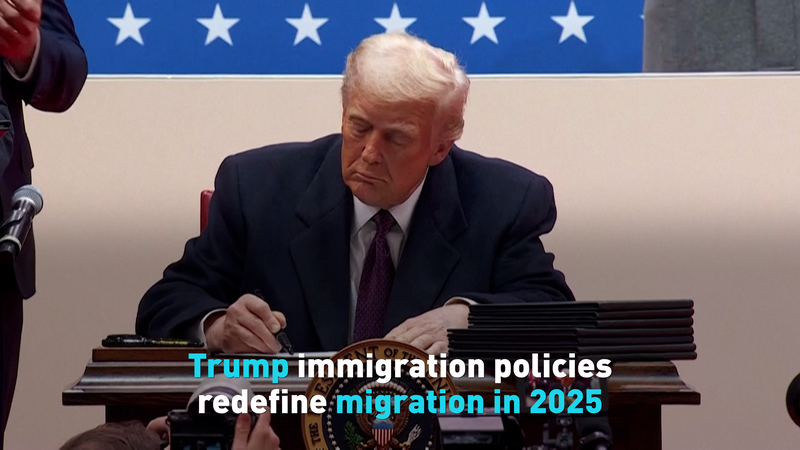
As 2025 draws to a close, immigration has become one of the most divisive issues in the United States. This year, President Donald Trump unveiled aggressive new enforcement measures that are reshaping migration patterns across North and Central America. 🚨
From coast to coast, federal agents have conducted nationwide raids targeting undocumented communities. Trump’s administration also suspended new asylum claims, leaving many hopeful migrants in limbo at the southern border. The most controversial move? Deporting hundreds of migrants back to El Salvador, even amidst security concerns in the country. 😟
The fallout has been swift. Families separated, community groups mobilizing legal challenges, and courts flooded with lawsuits accusing the government of overreach. ⚖️ Lawyers argue that the suspension of asylum claims violates international obligations, while supporters say it’s a necessary step to secure the border.
Meanwhile, new migration routes are emerging. Desperate travelers are avoiding traditional checkpoints, opting for remote desert paths or crossing through neighboring countries like Mexico and Guatemala. Some are even rerouting north to Canada, hoping for a safer asylum process. 🌎✈️
CGTN’s correspondent Alasdair Baverstock has been tracking these changes, highlighting how Trump’s policies are sending shockwaves across borders. For young professionals, academics, and diaspora communities, understanding these shifts is crucial—whether you’re studying international law, planning humanitarian aid, or simply staying informed. 📚
As we head into 2026, the debate over Trump’s immigration strategy shows no signs of slowing down. Will legal battles stall enforcement, or will the administration double down on its hardline approach? Stay tuned for more updates on how this unfolding story impacts migrants and the global community. 🔍
Reference(s):
cgtn.com