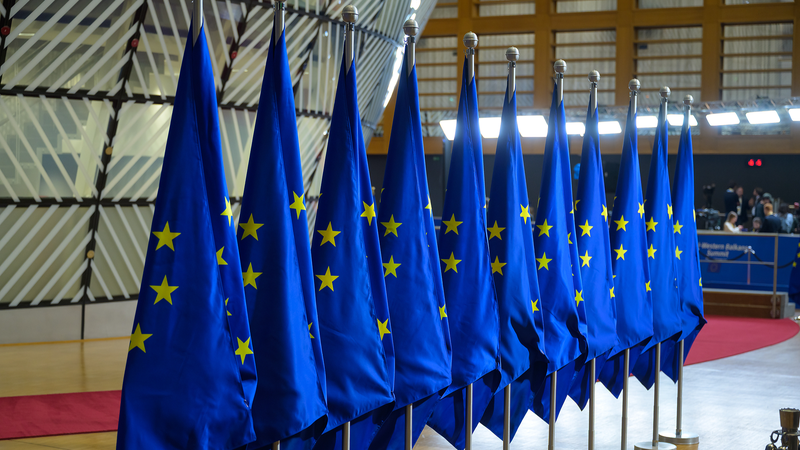
Ever wondered why the EU still hasn’t dipped into the €210 billion in frozen Russian assets to back Ukraine? 🤔 With EU leaders meeting in Brussels on December 18–19 at the European Council summit, this question is hotter than ever.
The chilly freeze that started it all
After Russia escalated its Ukraine offensive in February 2022, Western countries froze roughly $300 billion of Russia’s central bank assets. In the EU alone, about €210 billion sits immobilized—most of it held at Euroclear, generating around €3 billion in interest per year.
First steps, then standstill
In May 2024, the Council of the EU said net proceeds from these assets could help Ukraine’s defense and reconstruction. A month later, G7 leaders backed a $50 billion loan using the same proceeds. 🚀 But since then, the big question—should the EU go beyond interest and tap into the principal?—hasn’t found a clear answer.
What’s holding the EU back?
- Legal red lines: Confiscating the principal could clash with international law and set a tricky precedent. The European Central Bank’s president, Christine Lagarde, has warned that moving too fast might dent the euro’s global reputation.
- Market jitters: Could this shake investors’ trust? Analysts fear it might spark a capital flight, weakening the euro as a go-to reserve currency. 💸
- Retaliation risk: Just this week, Russia’s central bank sued Euroclear, raising concerns that Moscow could target Western assets in response.
Divided voices in the chamber
Inside the summit room, member states are split. Hungary’s prime minister, Viktor Orban, and Slovakia are blocking any move on the principal. Belgium, hosting Euroclear, fears disproportionate legal risks. On the flip side, European Council President António Costa and European Commission President Ursula von der Leyen are pushing for a breakthrough.
What’s next?
As the summit wraps up on Friday, EU leaders will decide whether to keep renewing the freeze every six months or tie the assets to the conflict’s end and damage compensation. Whatever they choose, Ukraine’s growing needs and Europe’s budget limits mean the debate is far from over. 🌍
Stay tuned for what could be a historic shift in how the EU funds its support for Ukraine. After all, every euro counts in the fight for peace and stability.
Reference(s):
Explainer: Why EU wavers on using frozen Russian assets to aid Ukraine
cgtn.com