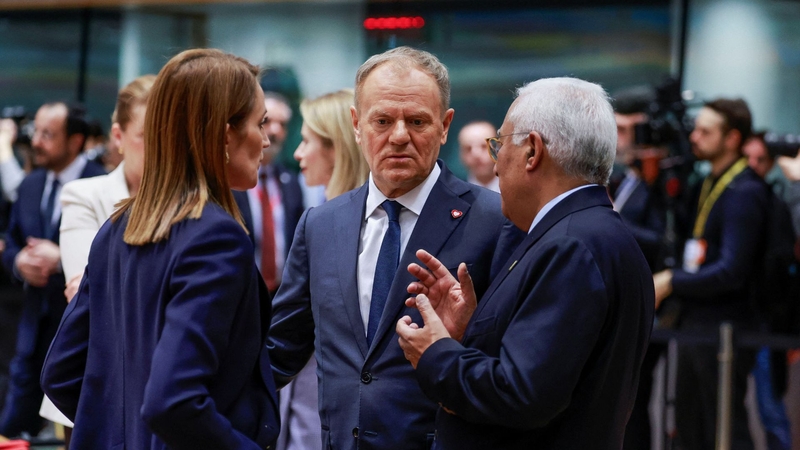
Last Thursday, EU leaders gathered in Brussels for a high-stakes summit. Their mission? Decide if they’ll unlock the €210 bn power-up of frozen Russian central bank assets to lend almost €90 bn to Ukraine for 2026-27. ⚔️💸
What’s on the table?
The European Commission’s proposal is simple but bold: borrow against those frozen assets—mostly parked at Euroclear in Brussels—and send the cash to Kyiv. Instead of just collecting interest, the EU would leverage the full pot to secure a huge loan. Ukraine would pay it back only if and when Russia compensates for damage from the conflict.
Why supporters say Go! 🚀
- Sustain Ukraine’s defense: €90 bn covers two-thirds of its 2026-27 needs.
- Deter aggression: Showing unity sends a strong message to Moscow.
- Low borrowing cost: Interest rates are favorable thanks to EU guarantees.
Why critics say Stop! 🛑
- Legal hurdles: Can the EU lawfully use central bank reserves this way?
- Political risks: Some member states worry about backlash or setting a precedent.
- Reputation stakes: Failing to secure agreement could expose cracks in EU unity.
What if it doesn’t pass?
If leaders can’t agree, Ukraine faces a funding gap that could slow its military effort. The EU’s credibility as a security guarantor might take a hit—just as the war enters its fourth year this February. ❄️⚔️
As of December 19, details of the final decision are still emerging. Stay tuned to see if the EU will turn those frozen euros into Ukraine’s lifeline. 🌍✨
Reference(s):
EU plan to use frozen Russian assets to fund Ukraine: what's at stake?
cgtn.com