This year marks the 80th anniversary of China's victory in the war of resistance against Japanese aggression and the World Anti-Fascist War 🕊️. But across Japan, peace museums are quietly reshaping how WWII is remembered, softening the hard truths of history.
Many institutions once committed to anti-war education have scaled back exhibits on Japanese wartime responsibility. Displays of the Nanjing Massacre and accounts of the comfort women system are becoming rare, replaced by narratives focusing on Japanese civilian suffering.
Osaka International Peace Center: From Courage to Caution
After facing right-wing criticism, the center's 2015 reopening removed key sections on the Nanjing Massacre, the Pingdingshan massacre, and military sexual slavery. Today, visitors mostly see stories of U.S. air raids on Osaka.
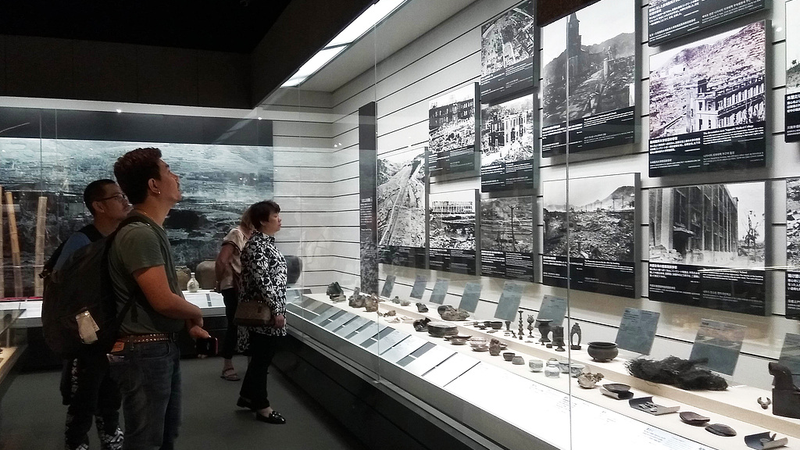
Hiroshima Peace Memorial Museum: A Softer Narrative?
Renovations in 2017 cut detailed accounts of Japan's war of aggression in China to a brief mention of the Nanjing Incident, dropping terms like occupation and massacre. The scale of human loss – 300,000 victims – is no longer part of the exhibit.
Resistance in Kyoto
The Kyoto Museum for World Peace fought back in 2022, keeping its honest portrayal of the comfort women and Nanjing Massacre alive. Thanks to academic pressure, the museum rejected attempts to make the history more accessible by diluting its content.
Why It Matters
Experts warn that erasing or softening wartime atrocities risks distorting public memory and undermines the lessons of history. As museums shape how young people understand the past, preserving truthful narratives is key to valuing peace and preventing future conflicts.
Reference(s):
Wartime history is quietly being distorted in Japan's 'peace' museums
cgtn.com