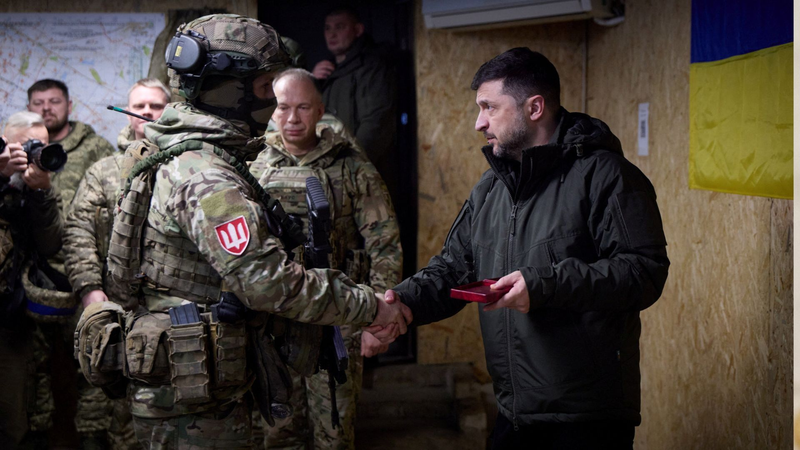
Last Friday (December 12, 2025), the European Union agreed to indefinitely freeze €210 billion in Russian central bank assets held across member states. This decision clears the way to use the funds to help Ukraine defend itself, and means the EU won't need to vote every six months on the freeze. 💪
The goal? Keeping Ukraine financed and on the front lines against what the EU views as a direct threat to its own security. By tapping into the sovereign assets immobilized since Moscow's 2022 invasion, Brussels aims to sustain the fight. 💶⚔️
Belgium isn't convinced. Prime Minister Bart De Wever warns that if the plan backfires, his country could end up with a massive bill. Euroclear CEO Valérie Urbain also cautions it could 'destabilise the international financial system' – and Euroclear itself has an estimated €16-17 billion stuck in Russia. 🚨
De Wever has set out several 'rational, reasonable, and justified conditions' before he'll back the reparations plan. He's even not ruling out legal action if the scheme poses significant risks to Belgium. 📜
Next, EU leaders will fine-tune the mechanics: how to channel the money, which safeguards to include, and who will monitor the flow. For young investors, students, and global news enthusiasts, this saga is proof that finance and geopolitics are inseparable. Stay tuned! 🌍🔍
Reference(s):
Could release of frozen Russian assets come at Belgium's expense?
cgtn.com