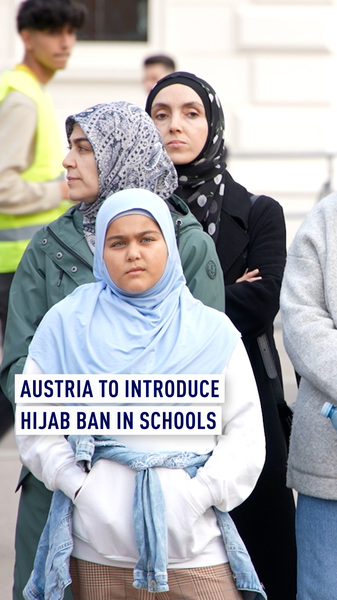
On Thursday, December 11, 2025, Austrian lawmakers voted by a large majority in favour of banning headscarves in schools for girls under 14. The decision, pushed by the conservative-led government amid rising anti-immigration sentiments, aims to “protect girls from oppression.” Critics argue it’s discriminatory and could deepen social divides. 🙅♀️
The ban isn’t entirely new. Back in 2019, a similar rule on headscarves in primary schools was ruled unconstitutional. But the government is determined: from February 2026, parents of girls caught wearing hijabs could face fines up to $1,150.
Many Muslim families say the state is overstepping. “This draft law violates religious freedom,” says Esma Kedikli, speaking for her daughter and thousands of Austrian schoolgirls who choose to wear headscarves. 📢
Ruveyda, 12, shares her story: “I wear my headscarf because I want to, not because someone forces me. I always said I wanted to be like Mummy—beautiful and covered.” Her friend Hadije, 14, adds with a smile, “It’s part of who I am.” 😊
But Austria’s Integration Minister Claudia Plakolm defends the move, warning that young girls covered up risk being held back by “patriarchal constraints and false notions of honour.”
In response, school halls across Vienna and beyond filled with the voices of young protestors. Hundreds of girls rallied, banners in hand, chanting for their right to choose. “My body, my choice,” echoed through the streets. ✊🏫
As debates heat up, Austria faces a crossroads: Is this law a step towards integration or a barrier to diversity? The protests show one thing clearly—young people are ready to make their voices heard. 🎤
What’s next? Legal challenges are expected, and international rights groups are watching closely. One thing’s for sure: these schoolgirls aren’t planning to stay quiet. 🔥
Reference(s):
How Austria's potential hijab ban inspired a protest by schoolgirls
cgtn.com