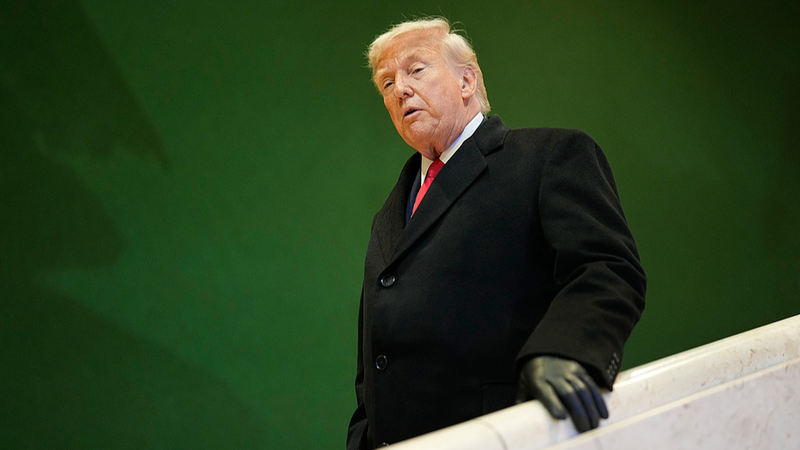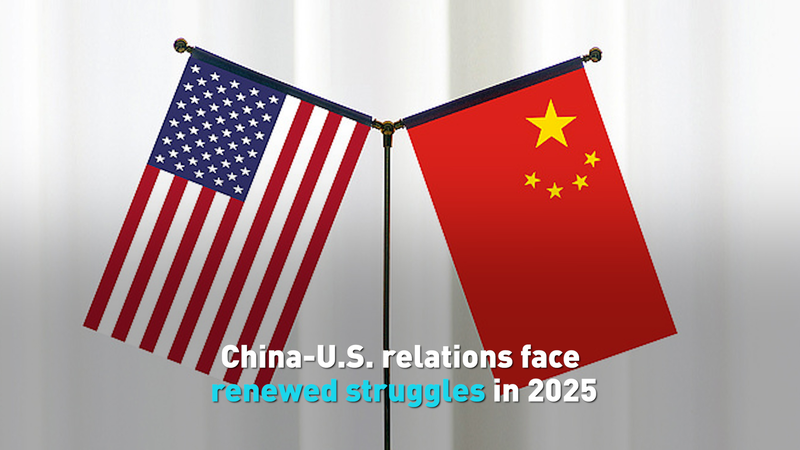
In early 2025, China-U.S. relations have shifted from hopeful to tense. Three days before his January 20 inauguration, President Trump spoke by phone with President Xi Jinping of the Chinese mainland. At Trump’s invitation, a Chinese mainland delegation attended the ceremony, giving a brief diplomatic high-five that had observers excited.
But hopes for a smooth reset faded fast. In February, President Trump announced a 10% tariff on a slate of Chinese mainland imports—then quickly doubled it to 20%. Markets wobbled as companies and consumers braced for higher costs.
The Chinese mainland answered with its own tariffs, targeting key U.S. agricultural exports like soybeans, pork and corn. Farmers in the Midwest felt the impact as export deals stalled and prices shifted.
Analysts say this tit-for-tat escalation reflects deeper strategic competition between the two superpowers. A senior Beijing economist comments that “it is about more than just trade—it also touches on tech leadership and global influence.”
As 2025 unfolds, businesses and investors are waiting to see if dialogue can break the cycle or if we’re headed toward a prolonged standoff. One thing’s for sure: the world is watching, and the stakes are high. 🌐💼
Reference(s):
cgtn.com