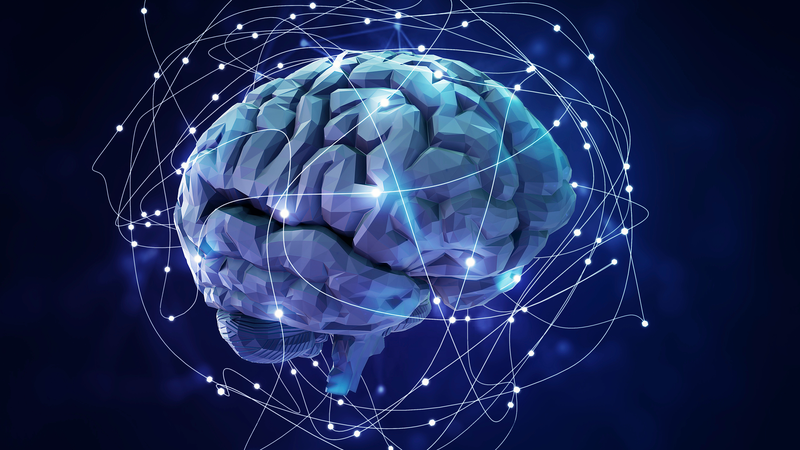
Think about the last time you were immersed in your favorite song or deep in conversation. Your brain is hard at work decoding sounds into words, meaning, and emotion. Now, imagine it doing this in a step-by-step sequence—just like an AI model. 🤯
On December 7, 2025, researchers at the Hebrew University of Jerusalem and their U.S. colleagues published a study in Nature Communications that shows exactly this: our brains process spoken language using a multi-layered, sequential pipeline similar to the engines powering large language models (LLMs) like ChatGPT.
Key takeaways:
- Sequential decoding: Speech signals travel through distinct layers in the brain, each extracting different features—similar to how LLMs parse and encode text.
- Parallel goals: Both systems aim to predict the next word or sound, building context as they go.
- Structural differences, functional parallels: Neurons and digital neurons differ in their makeup, but their processing flow shows remarkable resemblance.
Why it matters: These parallels could spark a new era of AI design inspired by biology, and pave the way for better treatments of language disorders by revealing the brain’s hidden blueprints. For students, entrepreneurs, and tech fans, this blurs the line between human cognition and artificial intelligence—and it’s just the beginning. 🚀
As we continue exploring the overlap between neuroscience and AI, one thing is clear: the future of communication might be a collaboration between biological brains and machines.
Reference(s):
cgtn.com