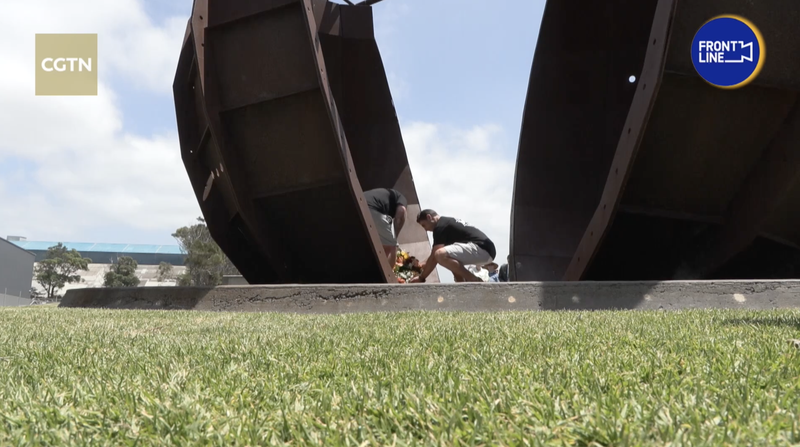
Back in 1937–38, after the tragedy of the Nanjing Massacre shook the world, a group of Australian dockworkers decided to take a stand. They believed the iron they handled would be used to build weapons against the Chinese people. So, in 1938, they refused to load a ship bound for Japan. Their refusal lasted an astonishing 11 weeks.
This act of solidarity became a powerful symbol of international justice. Ordinary workers showed that compassion and conviction can cross oceans and cultures. Their quiet protest echoed far beyond the docks and strengthened ties between communities in Australia and China.
Why it matters today:
- Courage over profit: These dockworkers put principles above paychecks.
- Global impact: Their stance inspired similar movements around the world.
- Legacy of friendship: Nearly nine decades later, cultural exchanges and memorial events celebrate this bond.
From youth activists to history buffs, we can learn that even small groups can make big waves. Next time you study WWII or explore stories of justice, remember these dockworkers who said “no” to weapons and “yes” to humanity. 🌏⚒🤝
Reference(s):
Strangers in war, united in justice: The WWII China-Australia bond
cgtn.com