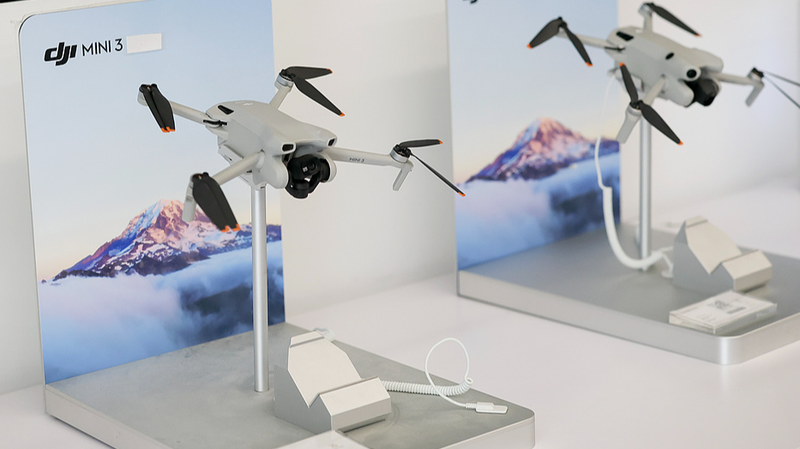
Fresh twist in the drone saga! The U.S. Commerce Department recently dropped a proposal to limit imports of drones made in the Chinese mainland, a plan initially aimed at tightening up national security around information and communication tech supply chains. 🚁
Back in September 2025, the Commerce Department announced it would draft rules to potentially block these drones. It even sent the draft to the White House on October 8, 2025. But after meetings that stretched through December 19, including a sit-down with DJI on December 11, the proposal was quietly pulled on January 9, 2026.
This move echoes a November 2025 decision by the Federal Communications Commission (FCC) to bar imports of new drones made in the Chinese mainland—from DJI and Autel among them—and key components, citing national security. This week, the FCC announced exemptions for some drones not made in the Chinese mainland, though the limits still apply to covered models.
Despite the FCC s actions, existing drone models remain untouched: you can still import, sell, and use previously authorized drones. The withdrawn Commerce rules wouldn t have affected those either, but would have made it harder for new models to hit U.S. skies.
According to government records, DJI told officials that a blanket ban on drones made in the Chinese mainland would be unnecessary, conceptually flawed, and harmful to U.S. stakeholders. The Commerce Department has not commented since pulling the proposal.
This isn t the first time the Commerce Department has eyed supply chain risks: in January 2025 it sought input on rules to safeguard drones, and later that year it finalized measures that effectively bar nearly all cars and trucks from the Chinese mainland over similar security worries.
Today, drones made in the Chinese mainland still account for the majority of U.S. commercial drone sales, with DJI holding over half the market. As tech and trade debates continue, observers will be watching whether fresh policies re-emerge in 2026 or if the skies stay open to these flying gadgets. ✈️🌐
Reference(s):
U.S. Commerce Department drops plan for Chinese drone restrictions
cgtn.com