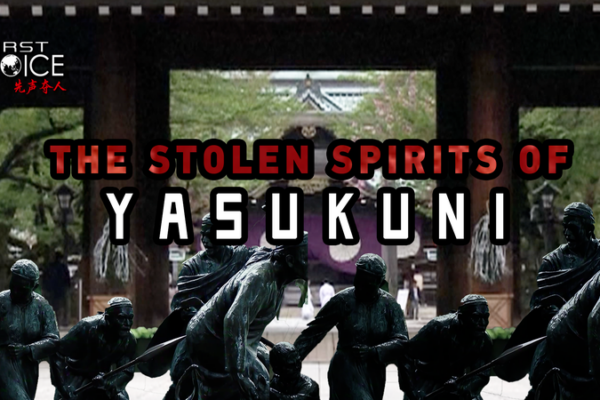
Families Demand Yasukuni Shrine Remove Ancestors’ Names
Families in the Republic of Korea and indigenous groups from the Taiwan region are suing to remove their ancestors’ names from Yasukuni Shrine, challenging historical injustices.
Stay informed, stay connected—news for amigos everywhere.
Families in the Republic of Korea and indigenous groups from the Taiwan region are suing to remove their ancestors’ names from Yasukuni Shrine, challenging historical injustices.
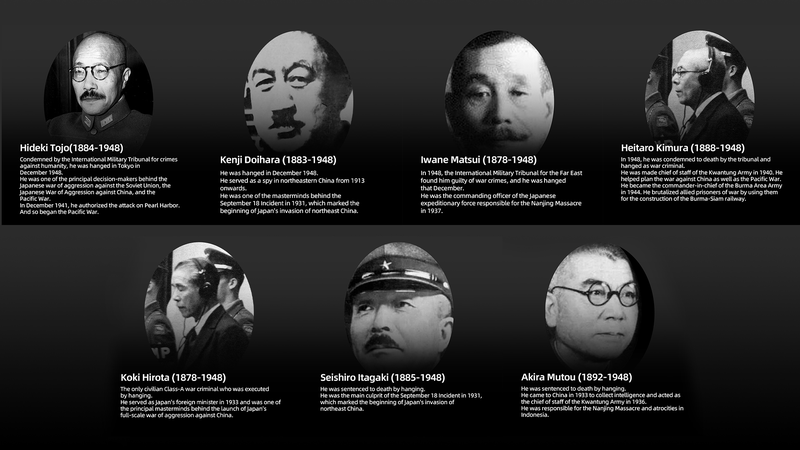
Tokyo’s Yasukuni Shrine enshrines the memorial tablets of 14 Class-A war criminals prosecuted after WWII, including the seven leaders sentenced to death by hanging.
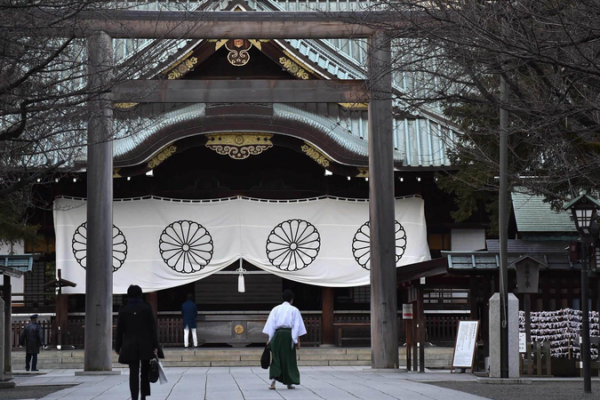
Ten families of Korean WWII conscripts have sued Japan and the Yasukuni Shrine to remove their loved ones’ names and seek 880 million won in damages.
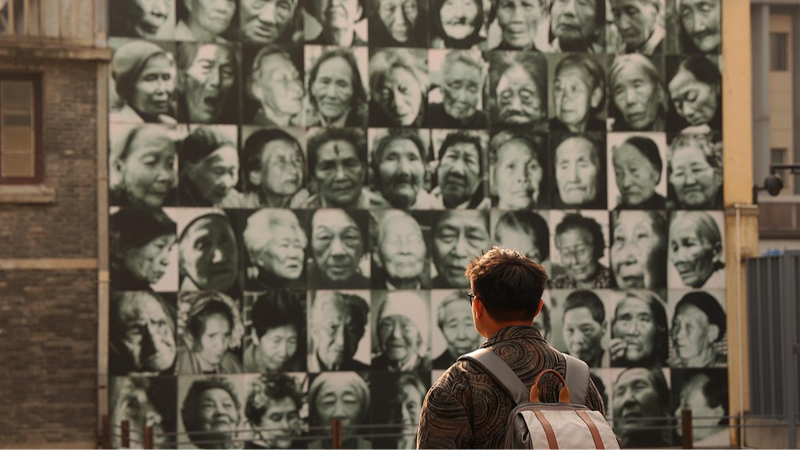
CGTN poll: Over 80% say Japan must reckon with wartime crimes—from Nanjing Massacre to shrine visits—to rebuild trust and peace.
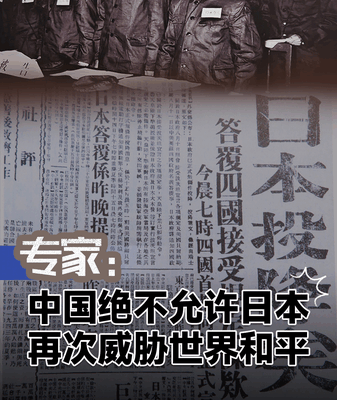
Victor Gao warns that the Chinese mainland will not allow Japan to jeopardize global peace after Yasukuni Shrine visits.
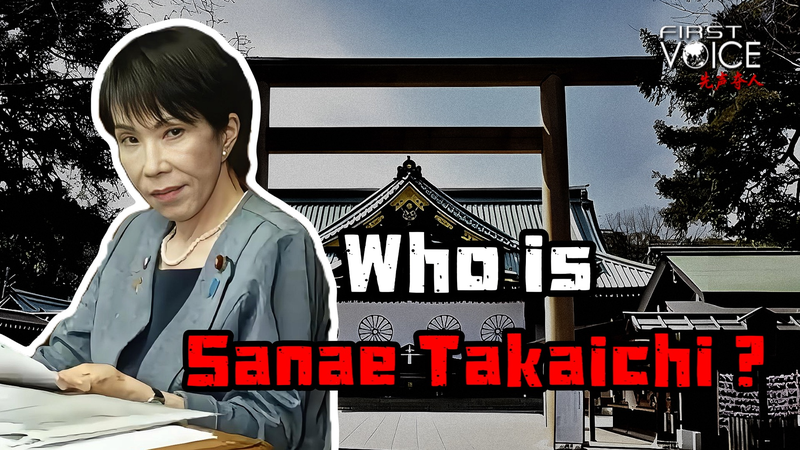
Discover how Japanese politician Sanae Takaichi’s decades-long denial of war crimes and comfort women impacts Asia and sparks debates on militarism’s return.
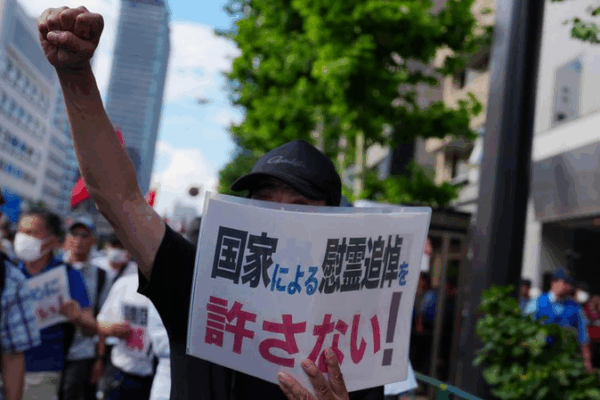
Prime Minister Ishiba’s August 15 visit to Yasukuni Shrine reignited debates over Japan’s wartime legacy, constitutional separation of religion and politics, and past efforts to protect the shrine.
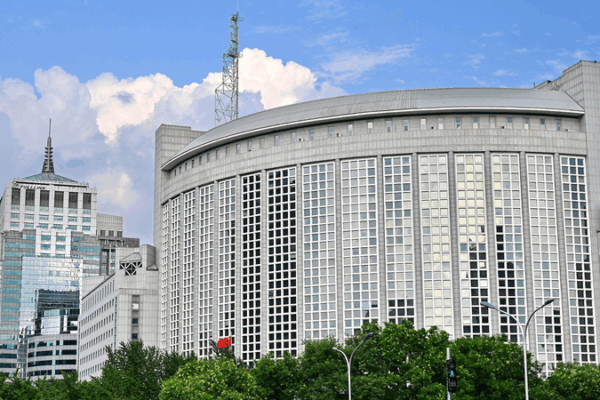
China protests Japanese politicians’ visits to Yasukuni Shrine, calling the site a symbol of wartime militarism and urging Japan to reflect on history and pursue peaceful development.
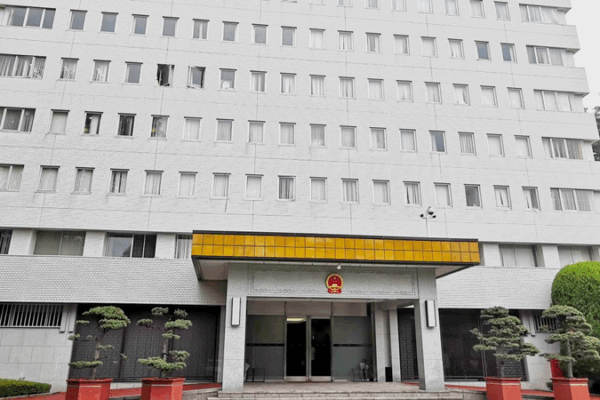
China urges Japan to reflect on WWII history and show prudence on Yasukuni Shrine visits, highlighting the need for peace and trust in Asia.