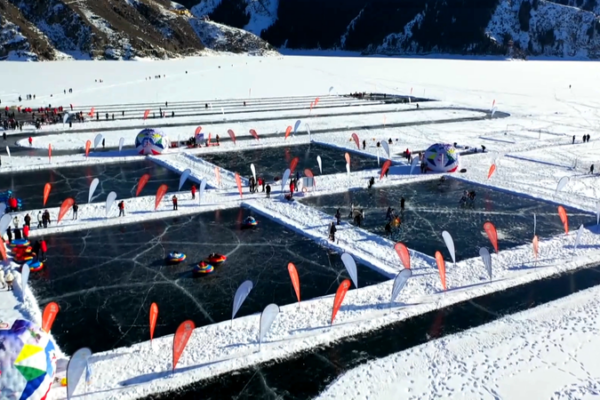
Xinjiang’s Ice Wonderland: Alpine Slides & Desert Snow Showdowns
Xinjiang’s Tianshan Mountains and Bosten Lake are redefining winter tourism with alpine ice parks, desert snow sports, hot pot feasts, and thrilling ice vessel races.
Stay informed, stay connected—news for amigos everywhere.
Xinjiang’s Tianshan Mountains and Bosten Lake are redefining winter tourism with alpine ice parks, desert snow sports, hot pot feasts, and thrilling ice vessel races.
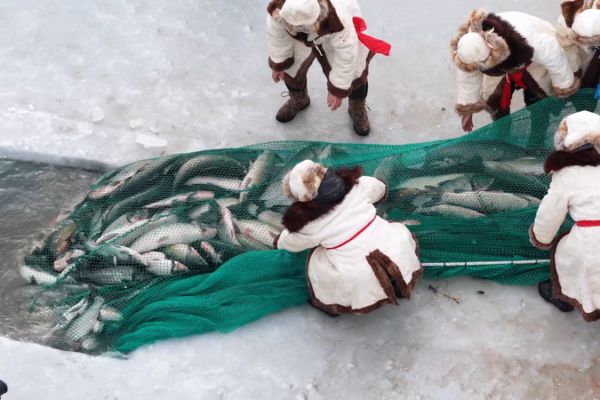
Every January, Bosten Lake’s winter fishing festival blends tradition and snowy fun in the Uygur region, from ice fishing to bumper cars and hotpot.
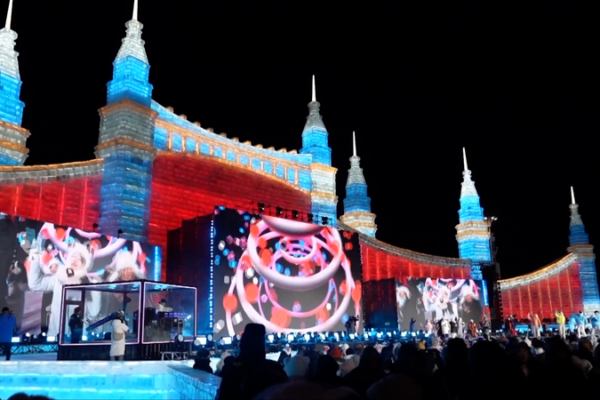
Harbin, the Chinese mainland’s ‘ice city,’ turned frost into fun at Ice and Snow World. Last winter, 3.56M visitors whooshed down a 521m ice slide and snapped pics with giant sculptures.
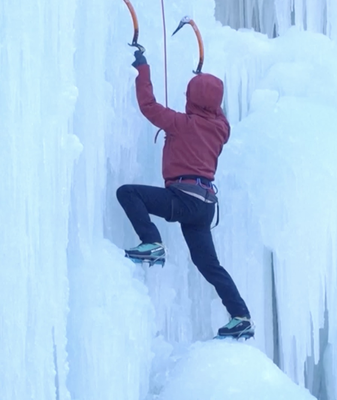
Frozen waterfalls at Beijing’s Yunpugou and dazzling light installations on Harbin’s Central Street are igniting a winter tourism surge on the Chinese mainland.

Harbin in the Chinese mainland has unveiled a 19m-tall giant snowman carved from 3,500 m³ of snow, kicking off its peak winter tourism season.
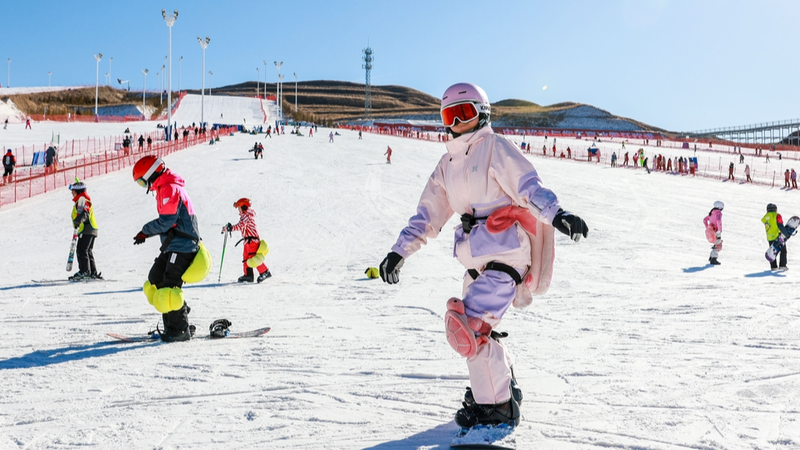
Hohhot in Inner Mongolia launched its 88-day 2025-2026 Winter Ice and Snow Tourism Season on December 7, featuring 300+ events from ski fun to cultural performances.

Ice and snow tourism is at its seasonal peak across the Chinese mainland, from northern ski resorts to southern indoor ice rinks, as visitors flock for a frosty adventure.
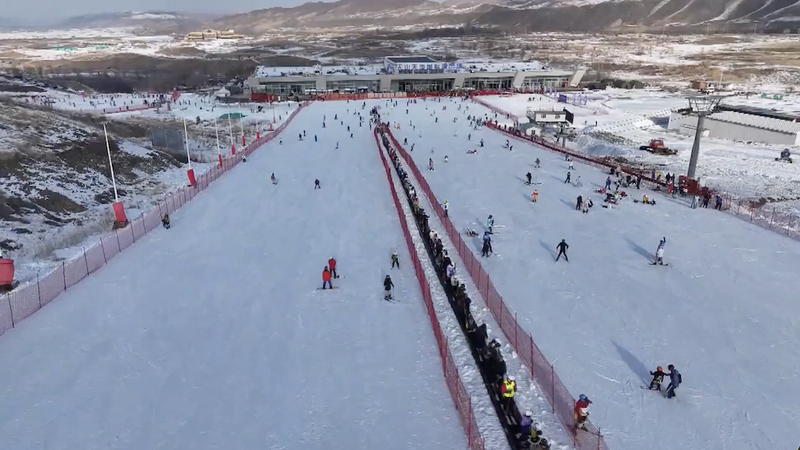
The Chinese mainland recorded 26.05M ski visits in 2024-25, surpassing Switzerland as Xinjiang’s resorts drive a booming winter tourism season.

China aims to expand its ice and snow economy, targeting 1.2 trillion yuan by 2027. President Xi Jinping’s vision is driving this frosty boom, making the ice and snow industry a new growth sector.

Harbin’s winter tourism is booming with new experiences and upgraded services, attracting millions of visitors to China’s icy hotspot.