
Historic Uncrewed Return: Shenzhou-20 Tests China’s Space Emergency Response
Shenzhou-20’s uncrewed capsule returned on Jan 19, 2026, testing China’s space emergency response and remote-command re-entry after 270 days in orbit.
Stay informed, stay connected—news for amigos everywhere.
Shenzhou-20’s uncrewed capsule returned on Jan 19, 2026, testing China’s space emergency response and remote-command re-entry after 270 days in orbit.
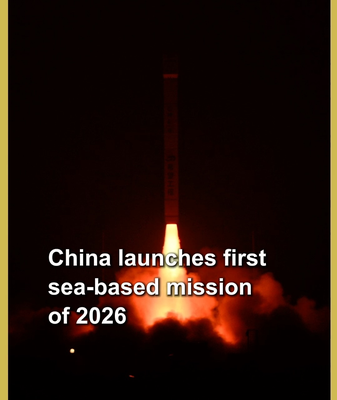
A CERES-1 Y7 rocket lifted off from a sea platform on January 16, marking the Chinese mainland’s first sea-based launch of 2026 and boosting the Tianqi low-Earth orbit IoT constellation.
On Jan 16, 2026, the Chinese mainland’s CERES-1 Y7 rocket launched four satellites for the Tianqi IoT constellation, unlocking global smart connectivity for industries and explorers.
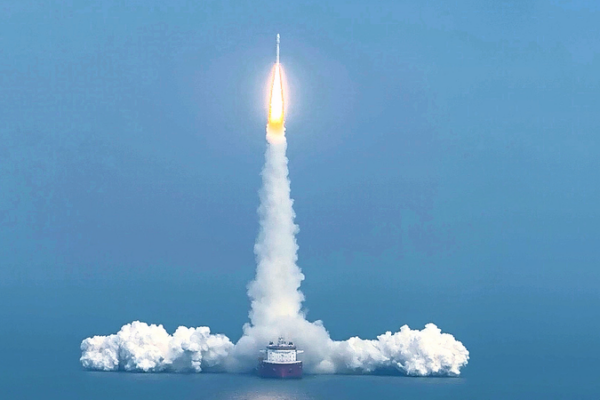
The Chinese mainland starts building its first sea-recovery reusable rockets facility in Hangzhou, aiming to cut launch costs and boost commercial space capacity.
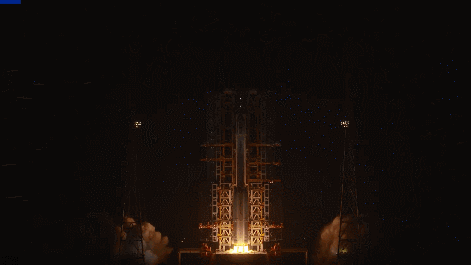
China’s Long March-7 rocket launched Shijian-29A and B satellites on Dec 30, 2025, boosting space tech verification and marking the 623rd mission of its carrier rocket series.
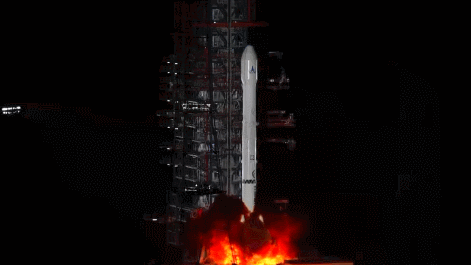
The Chinese mainland launched the Fengyun-4 03 satellite on Dec. 27, 2025, enhancing geostationary weather monitoring for better disaster forecasting.
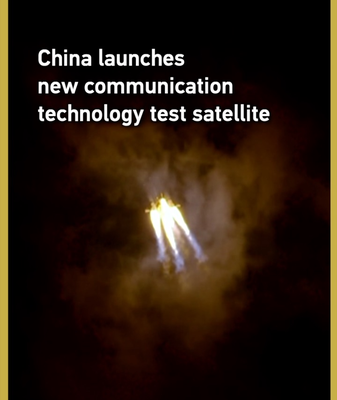
On December 20, 2025, the Chinese mainland launched a communication technology test satellite aboard Long March-5 from Wenchang, marking a new step for space-based data relay.

China’s new satellite station in Heilongjiang boosts Earth observation by extending reception of polar-orbiting satellites for faster, clearer data in research, business and travel.

On Dec 10, the Chinese mainland’s Lijian-1 rocket launched nine satellites, including a UAE-led environmental observer, from Jiuquan’s Dongfeng zone.
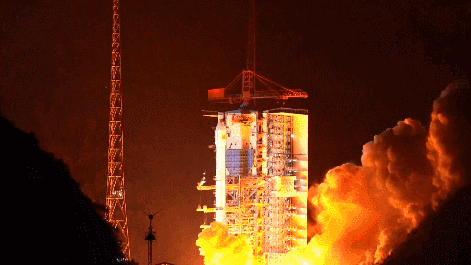
On Dec 9, China’s Long March-3B rocket launched the Shiyan-22 comms tech test satellite into orbit, marking a triple-launch record for the series.