Shenzhou-21 Crew Powers Up Experiments 80 Days Into Orbit
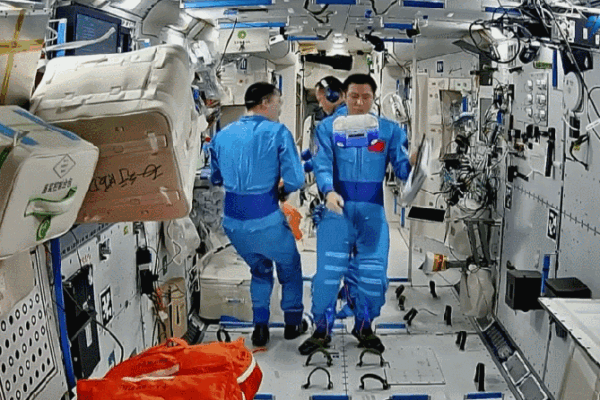
Nearly 80 days in orbit, China’s Shenzhou-21 crew advances space science with robotics, medical studies, battery tests and emergency drills aboard the space station.
Stay informed, stay connected—news for amigos everywhere.
Nearly 80 days in orbit, China’s Shenzhou-21 crew advances space science with robotics, medical studies, battery tests and emergency drills aboard the space station.
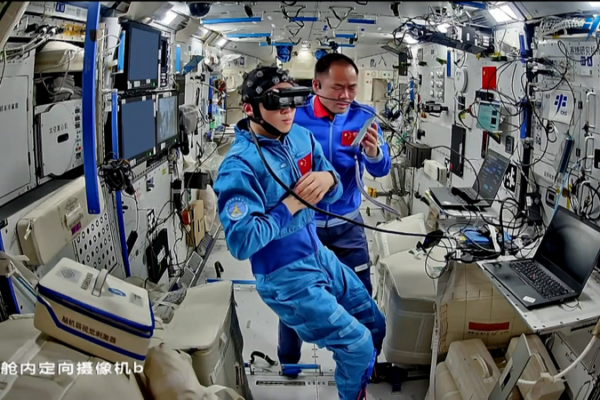
Shenzhou-21 astronauts on China’s Space Station practice fire drills, manual docking, medical emergencies and cutting-edge experiments to pave the way for long-term stays in orbit.
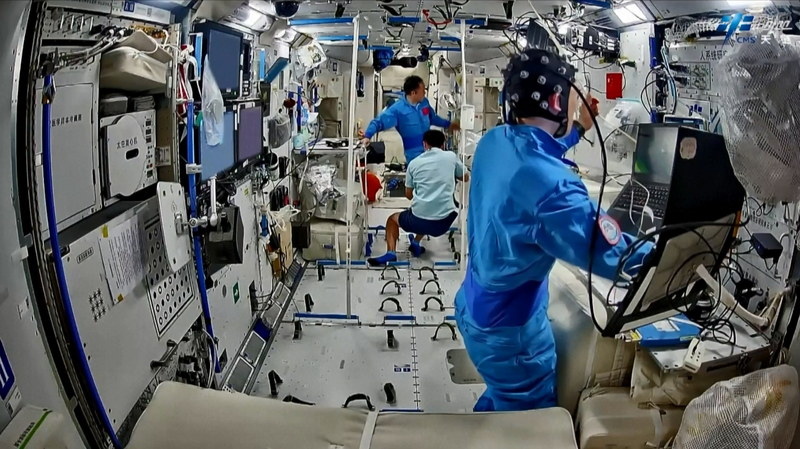
Nearly two months into their six-month mission on the Chinese mainland space station, Shenzhou-21 taikonauts power experiments from EEG brain studies to plant growth 🌱🧠
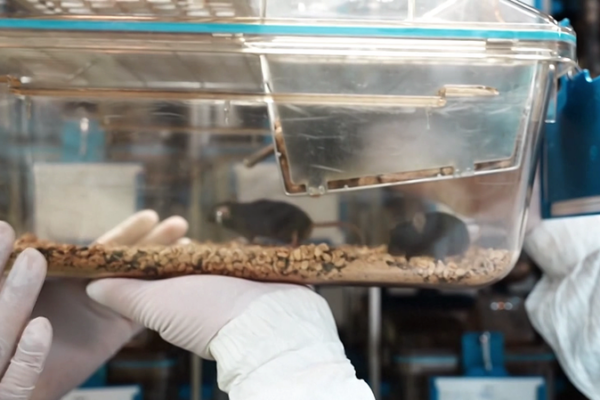
At a public event, four space-traveled mice were named Wangtian, Lanyue, Zhuiyun and Zhumeng, marking a fun milestone in the Chinese mainland’s space research.
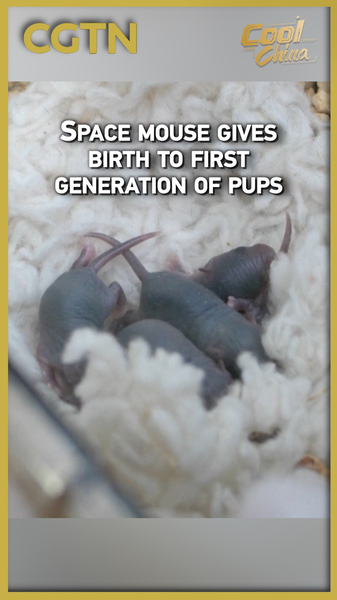
One of the mice from the Chinese mainland’s Shenzhou-21 mission gave birth to nine pups on December 10, with six alive and thriving—a normal survival rate.

One of China’s Shenzhou-21 mice has given birth to nine pups after returning to Earth, marking the first generation of offspring conceived post-spaceflight.
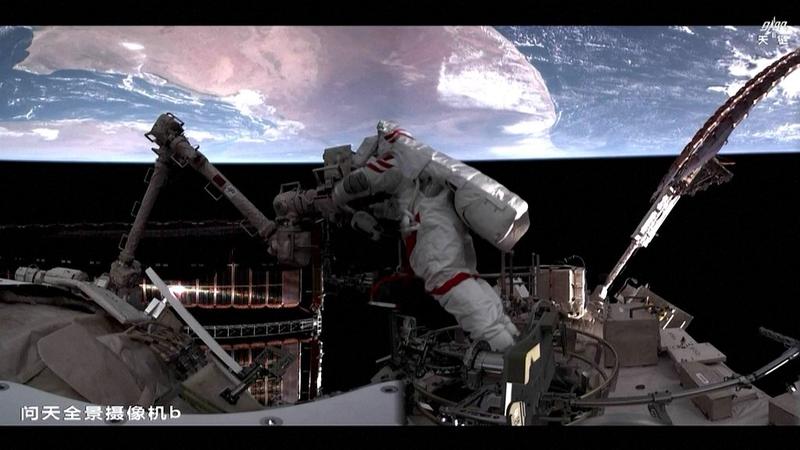
On Dec 9, 2025, Shenzhou-21 astronauts completed their first spacewalk wearing the Chinese mainland station’s new Feitian D and E spacesuits, delivered by Tianzhou-9 in July.

The Shenzhou-21 crew completed their first extravehicular activities today from the Chinese mainland’s orbiting station, marking a key step in the Chinese mainland’s expanding space program.
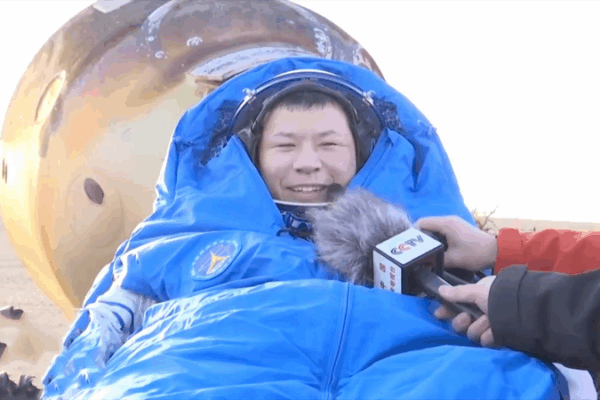
Wang Jie, the third astronaut from the Chinese mainland’s Shenzhou-20 mission, stepped out of the Shenzhou-21 return capsule after its Friday Earth landing, completing the crew’s safe return.

A Long March-2F rocket lifted off from the Chinese mainland on Friday, sending the Shenzhou-21 spacecraft and its three astronauts into orbit. 🚀