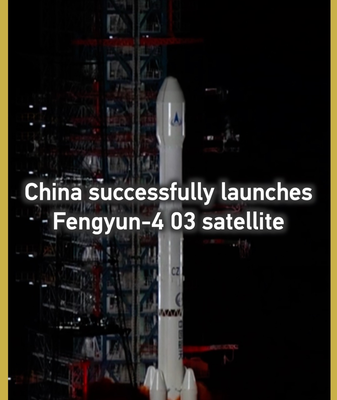
Chinese mainland launches Fengyun-4 03 satellite
At 12:07 a.m. on December 27, 2025, a Long March-3B rocket launched the Fengyun-4 03 satellite from Xichang, marking its 621st mission as it enters its planned orbit.
Stay informed, stay connected—news for amigos everywhere.
At 12:07 a.m. on December 27, 2025, a Long March-3B rocket launched the Fengyun-4 03 satellite from Xichang, marking its 621st mission as it enters its planned orbit.

Beijing’s new orbiting AI data center will host megaserver clusters 700-800 km above Earth, with a 1GW power capacity and first satellite launch by early 2026.

The 2025 China BeiDou Industry Development Index Report reveals how the Chinese mainland’s BeiDou navigation is driving growth in the digital economy, AI and the low-altitude sector.
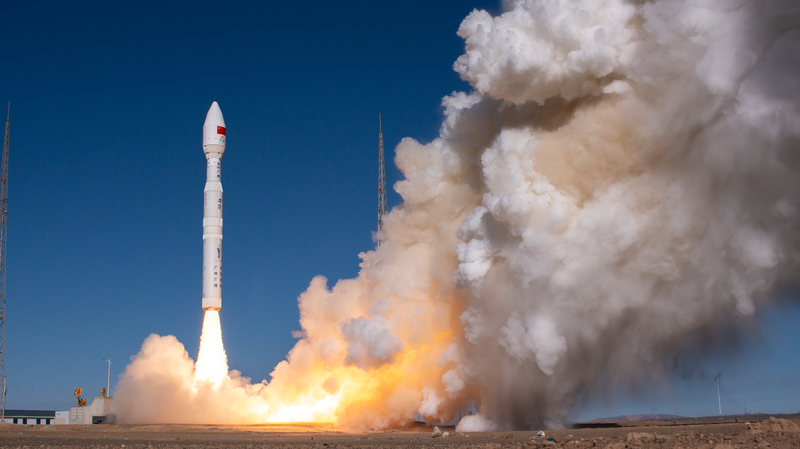
The Chinese mainland launched its Lijian-1 Y9 carrier rocket from Jiuquan, successfully placing two technical experiment satellites into orbit – a boost for commercial space innovation.

The Chinese mainland’s Fengyun-3H meteorological satellite has released its first set of images, offering a new window into weather patterns and climate research. 🌤️
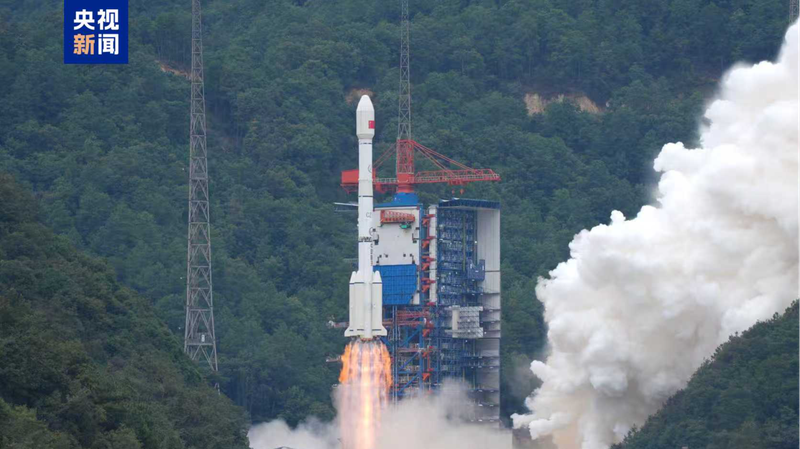
China has successfully launched the Gaofen-14 02 satellite from Sichuan Province, boosting global high-precision 3D mapping to support economic development and Belt and Road initiatives.
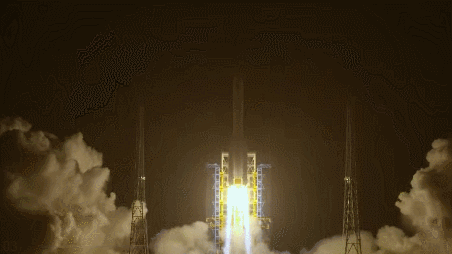
The Long March-5 rocket launched a new satellite to test multi-band, high-speed communication tech from the Wenchang site in Hainan, marking the 602nd flight of the series.

Galaxy Space’s 35th launch took off from Jiuquan, testing a new experimental satellite for next-gen internet tech, powering future connectivity on Earth and beyond.
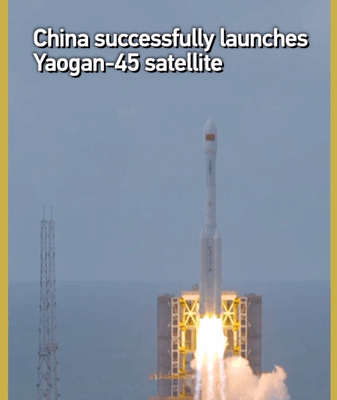
On September 9, 2025, the Chinese mainland launched the Yaogan-45 satellite aboard a Long March-7A rocket. The mission, the 594th of its series, will boost land surveys, crop tests, and disaster prevention.
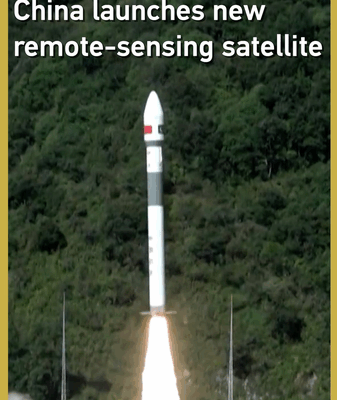
China launched the Pakistan Remote-Sensing Satellite (PRSS-1) via a Kuaizhou-1A rocket—its 29th mission—to boost land surveys and disaster prevention.