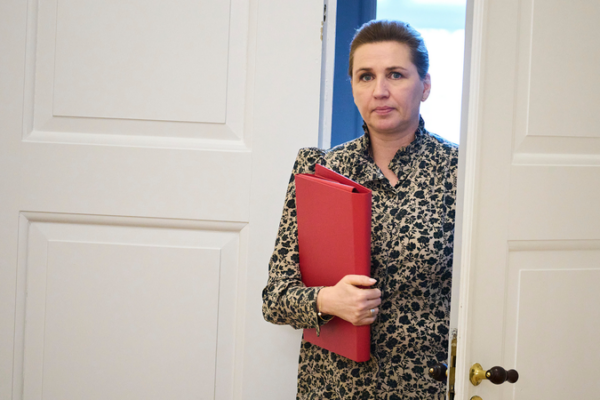
Denmark and Greenland Call for Respect in Arctic Security Talks
Denmark and Greenland urge Arctic security talks to respect Greenland’s territorial integrity as the US seeks missile defence and mineral access in the North.
Stay informed, stay connected—news for amigos everywhere.
Denmark and Greenland urge Arctic security talks to respect Greenland’s territorial integrity as the US seeks missile defence and mineral access in the North.
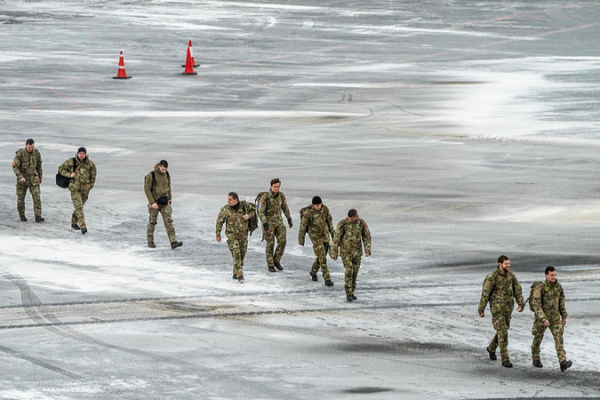
On the first anniversary of Trump’s presidency, his Greenland gambit—talks of buying the island, threats, tariffs—has deepened a transatlantic trust crisis and rocked Arctic cooperation.
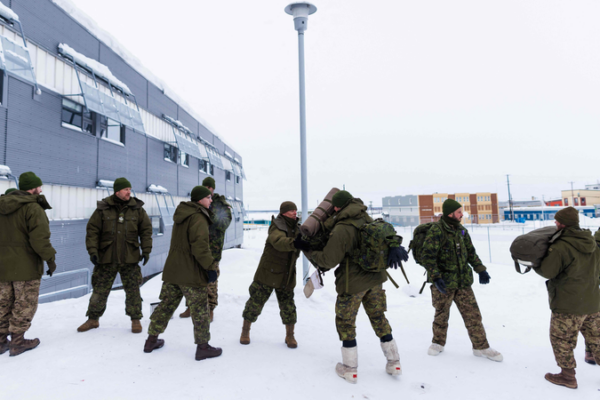
For the first time in a century, the Canadian Armed Forces have built a conceptual model to respond to a hypothetical US invasion, though officials stress it’s purely theoretical.

Former CIA analyst Larry Johnson warns that Europe’s dependency on U.S. power—highlighted by Trump’s Greenland and tariff threats—risks ripping NATO apart.
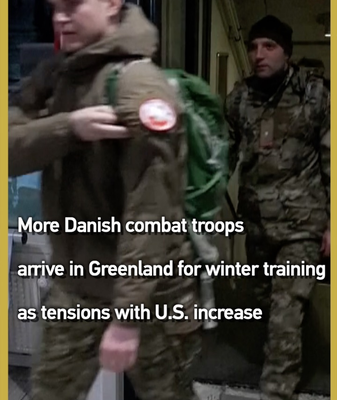
Denmark has sent more troops to Greenland on Jan 19, 2026, for expanded NATO exercises amid rising U.S. tensions over former President Trump’s bid for control. Arctic readiness steps up.

Trump vows to remove the “Russian threat” from Greenland and push to buy the autonomous island, but Denmark and Moscow push back.

In a Jan. 19 letter, President Trump said he no longer feels obligated to think purely of peace after missing out on the Nobel Peace Prize and tied it to his Greenland ambitions.
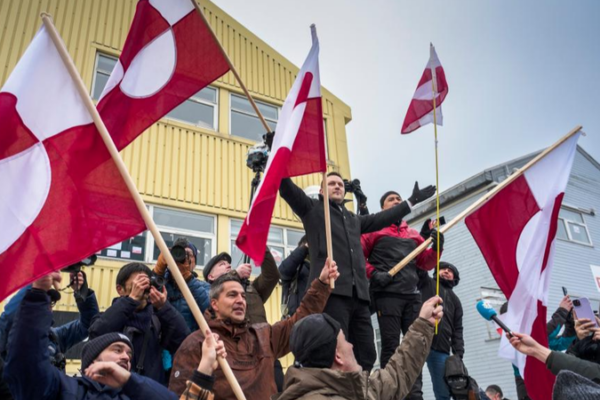
This past weekend’s Greenland mission prompted the U.S. to threaten tariffs on eight NATO members, revealing how economic pressure enforces hierarchy in U.S.-European relations.
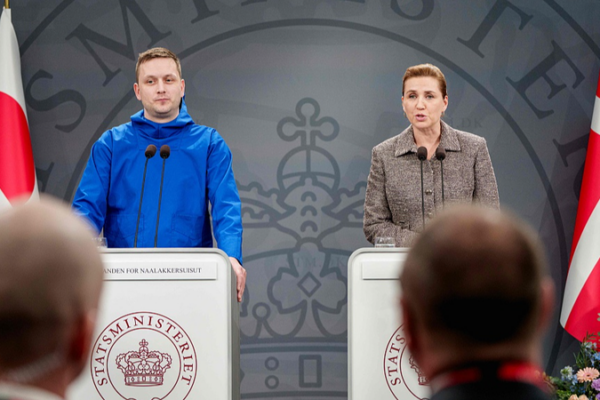
After tense talks in Washington, Denmark rejects U.S. ambition to take over Greenland and secures NATO allies to boost Arctic security presence.
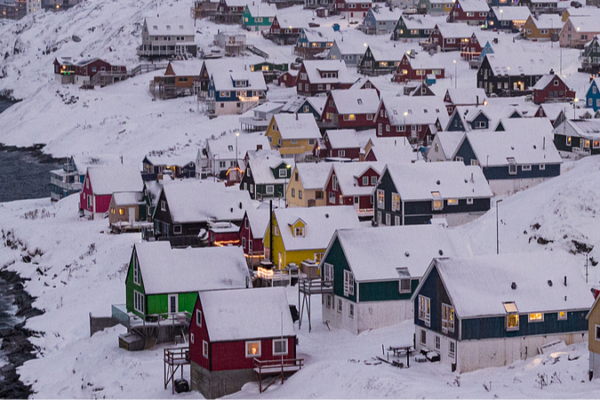
EU offers to step in and defend Greenland if Denmark asks, warning a U.S. takeover could fracture NATO and strain transatlantic ties.