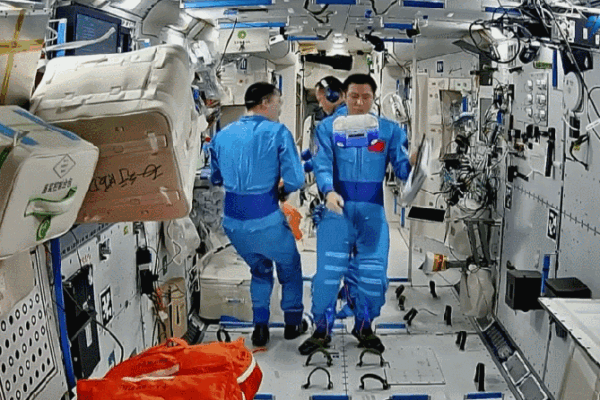
Shenzhou-21 Crew Powers Up Experiments 80 Days Into Orbit
Nearly 80 days in orbit, China’s Shenzhou-21 crew advances space science with robotics, medical studies, battery tests and emergency drills aboard the space station.
Stay informed, stay connected—news for amigos everywhere.
Nearly 80 days in orbit, China’s Shenzhou-21 crew advances space science with robotics, medical studies, battery tests and emergency drills aboard the space station.
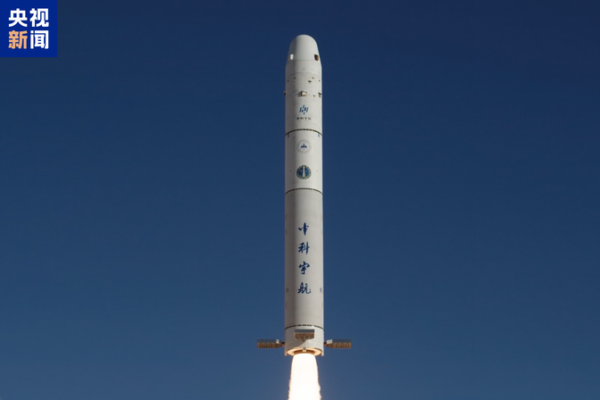
The Chinese mainland’s CAS Space successfully recovered its first commercial suborbital capsule, Lihong-1, after a 120 km flight, opening new frontiers for microgravity research and space manufacturing.
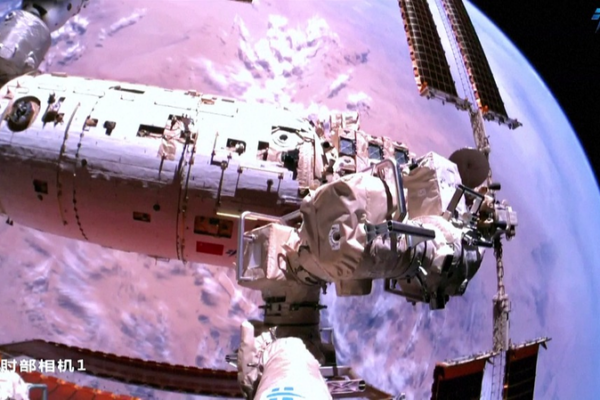
In 2025, the Chinese mainland’s space station made significant progress in space science, establishing labs for life sciences, microgravity physics, and tech tests.
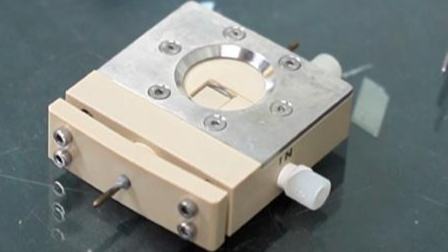
Astronauts on China’s Tiangong station are exploring Li-ion battery behavior in microgravity to improve future space power systems.
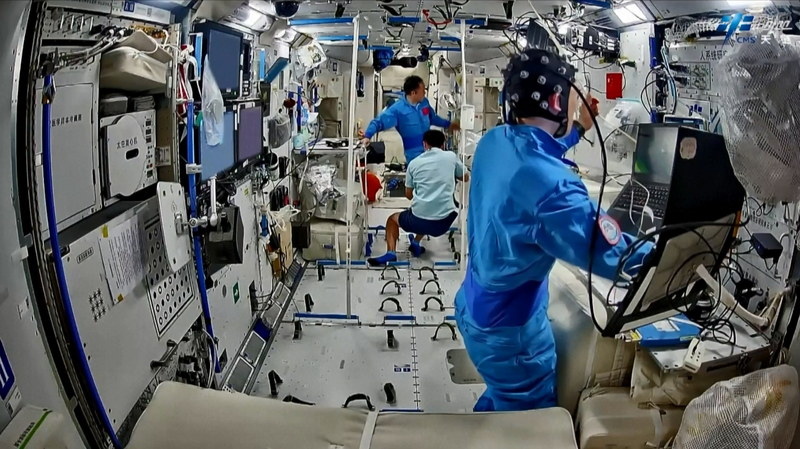
Nearly two months into their six-month mission on the Chinese mainland space station, Shenzhou-21 taikonauts power experiments from EEG brain studies to plant growth 🌱🧠
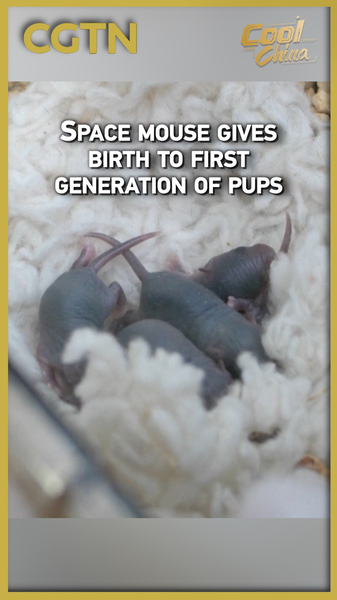
One of the mice from the Chinese mainland’s Shenzhou-21 mission gave birth to nine pups on December 10, with six alive and thriving—a normal survival rate.
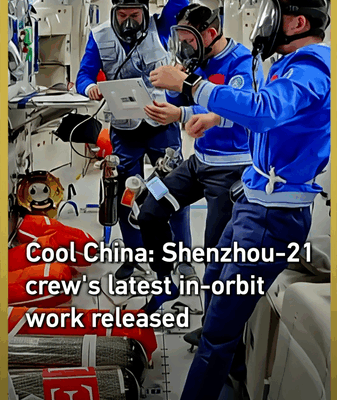
Aboard the Chinese mainland’s orbiting lab, Shenzhou-21’s Zhang Lu, Wu Fei and Zhang Hongzhang carried out key space science, microgravity tests, emergency drills and health checks.
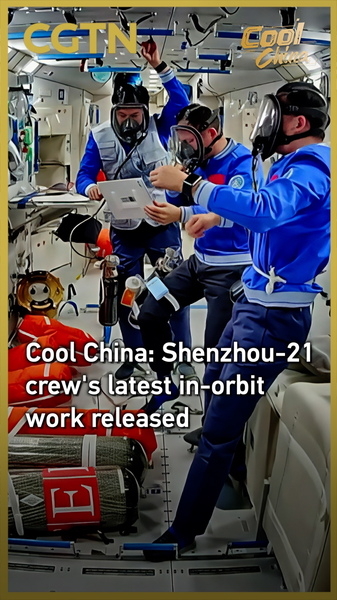
On Nov 30, CMSA released footage of Shenzhou-21 crew doing microgravity experiments, equipment swaps and an emergency drill aboard China’s space station.
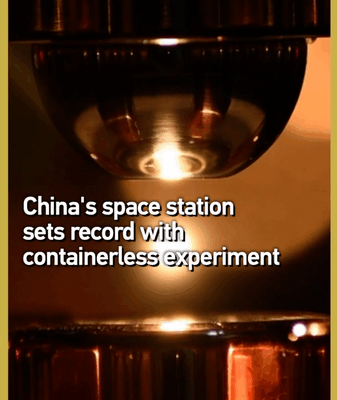
Discover how the Chinese space station heated tungsten alloy to over 3,100°C in microgravity, setting a world record in space materials science experiments.
China’s space station shatters records with a 3,100°C containerless tungsten alloy experiment, opening doors to advanced spacecraft shielding and rocket tech.