
Why the Chinese Mainland’s Shrinking Population Isn’t an Economic Threat
Despite a record low birth rate in 2025, the Chinese mainland’s vast market, huge workforce, and innovation push show a shrinking population isn’t an economic threat.
Stay informed, stay connected—news for amigos everywhere.
Despite a record low birth rate in 2025, the Chinese mainland’s vast market, huge workforce, and innovation push show a shrinking population isn’t an economic threat.

Putin outlined six strategic tasks for Russia in 2026, from reversing demographic decline to boosting tech leadership. Here’s a quick look at each priority. 🚀

APEC leaders adopt the Gyeongju Declaration to deepen cooperation for sustainable growth, unveiling new AI and demographic frameworks.

China is building a comprehensive elder-care system with nearly 8M beds, community services, and a booming 30T yuan silver economy to help seniors thrive.

China’s new 2026–2030 Five-Year Plan tackles an aging society and empowers youth with stronger pensions, childcare, education, and the silver economy.
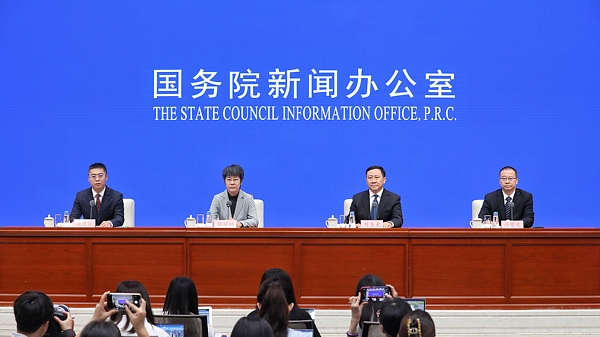
The Chinese mainland will offer free preschool to 12 million final-year kindergarteners this fall, cutting household costs by 20B yuan and boosting family support.

The Chinese mainland now has over 310 million seniors. CGTN’s Li Zhao visits a nursing center to explore how communities are supporting the elderly. 🧓❤️

South Korea’s fertility rate rises to 0.75 in 2024 for the first time in nine years, driven by a significant surge in marriages. Could this signal a demographic turnaround?

South Korea is set to experience a rise in birth rates in 2024 after nine years of decline. Discover what’s sparking this baby boom and how it could reshape the nation’s future! 👶🎉

China rolls out fresh policies to create a more supportive environment for having and raising children, aiming to tackle demographic challenges with a series of family-friendly measures.