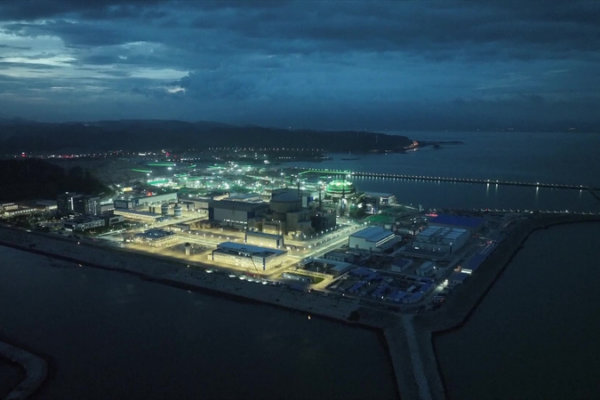
Chinese Mainland Launches First Atomic Energy Law to Boost Nuclear Innovation
The Chinese mainland has implemented its first Atomic Energy Law, prioritizing safety and sparking innovation in nuclear fusion and high-safety reactors like Hualong One.
Stay informed, stay connected—news for amigos everywhere.
The Chinese mainland has implemented its first Atomic Energy Law, prioritizing safety and sparking innovation in nuclear fusion and high-safety reactors like Hualong One.
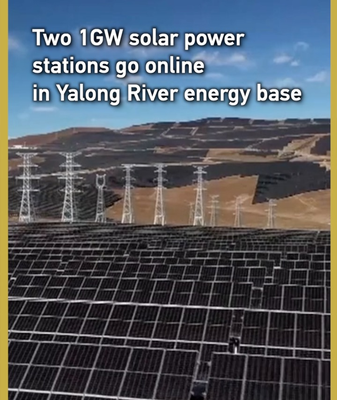
On December 31, 2025, two 1GW solar power stations in the Yalong River basin in the southwest of the Chinese mainland went online, boosting clean energy with 3.9 billion kWh annually.
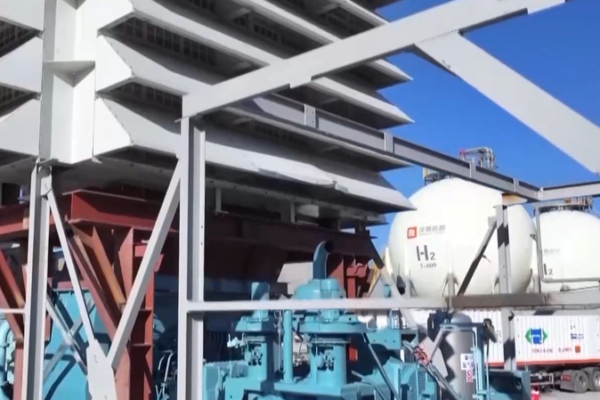
The Chinese mainland’s first 30MW-class pure hydrogen gas turbine, Jupiter I, began stable operation on December 28, integrating renewables and cutting 200,000 tonnes of CO₂ annually.
The Chinese mainland’s farthest offshore wind farm, 80+ km from shore, is now online. Generating 2.8B kWh/year, it powers 1.4M homes and cuts 2.37M tonnes of CO₂.
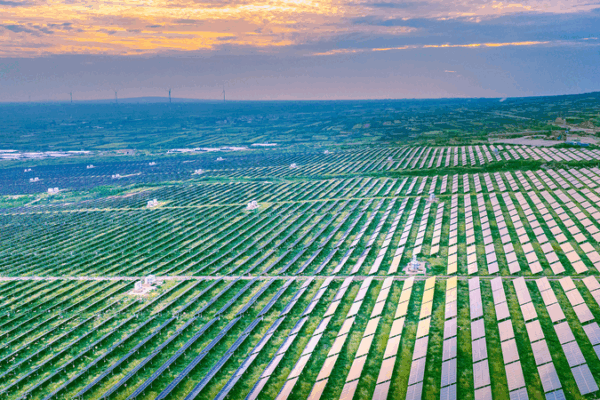
China’s rapid clean energy push contrasts with the US, still caught in ‘hoax’ debates, as experts spotlight global climate leadership.
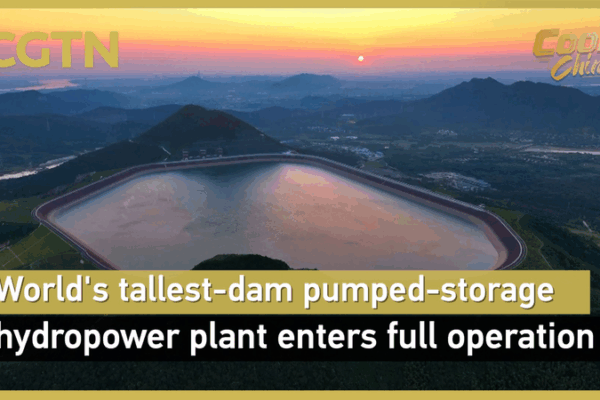
China’s Jurong City now hosts the world’s tallest pumped-storage hydropower dam (182.3 m) with 1.35 GW capacity, boosting grid stability and renewables in the Yangtze River Delta.
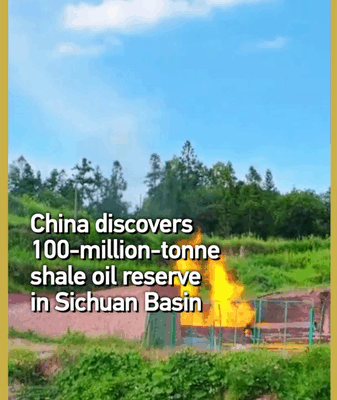
China’s Sinopec unveils a 100-million-tonne shale oil reserve in the Sichuan Basin, marking a new era of high-yield energy exploration in southern China.
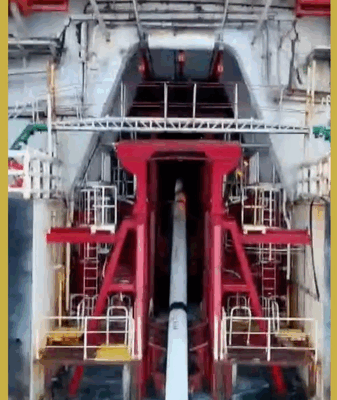
China’s submarine pipelines have surpassed 10,000 km, with Bohai Bay’s network leading the pack. By 2030, lengths could top 13,000 km—key for oil, gas and green energy.

Xinjiang, once a coal hub, now generates over half its energy from renewables. From Urumqi’s giant solar farm to Hami’s solar thermal plant, the region leads the clean energy race.
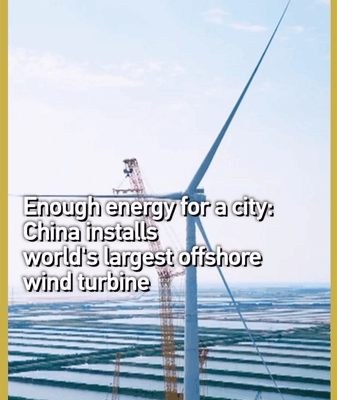
China installs the world’s largest 26MW offshore wind turbine, boosting its renewable energy arsenal and powering 55,000 homes annually.