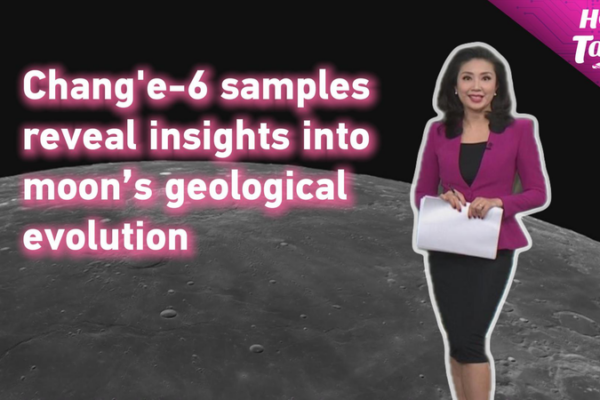
Chang’e-6 Samples Reveal Moon’s Near-Far Side Secrets
Chinese scientists studying Chang’e-6 lunar samples propose a 4.25B-year-old asteroid impact caused the Moon’s near and far sides to evolve so differently. 🔬🌕
Stay informed, stay connected—news for amigos everywhere.
Chinese scientists studying Chang’e-6 lunar samples propose a 4.25B-year-old asteroid impact caused the Moon’s near and far sides to evolve so differently. 🔬🌕
Chang’e-6 lunar samples reveal a giant impact drove volatile loss and shaped the moon’s evolution, explaining differences between its near and far sides.

Chinese scientists reveal why lunar soil from the moon’s far side is unusually sticky, unlocking clues from Chang’e-6 samples and paving the way for future missions.
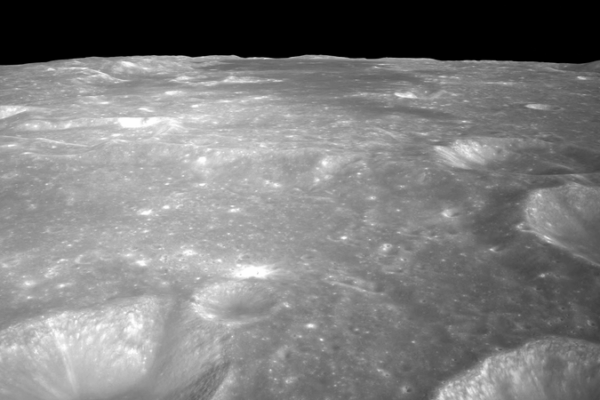
Chinese researchers identify micrometer-scale hematite and maghemite in Chang’e-6 lunar soil samples, challenging traditional views of the moon’s surface chemistry.
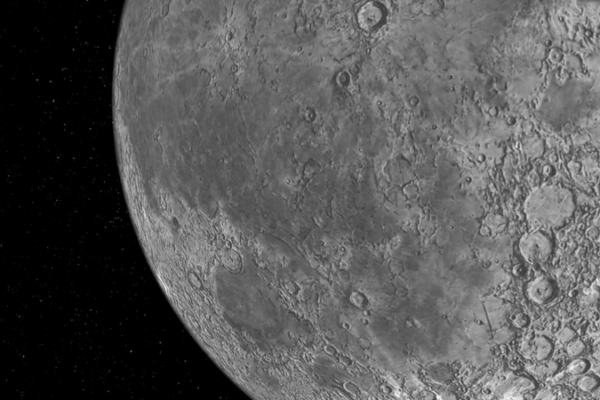
Scientists studying Chang’e-6 moon samples discovered rare meteorite relics, offering new insights into mass transfer in the Solar System.
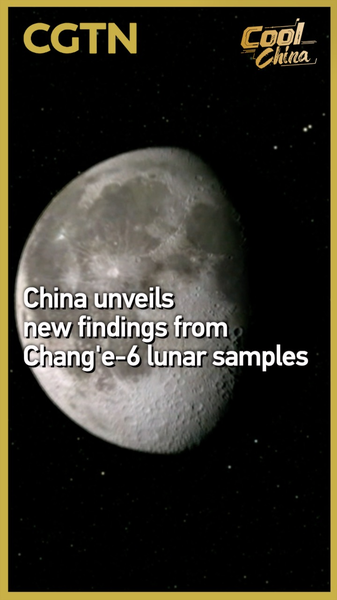
China’s Chang’e-6 mission finds the lunar mantle under the moon’s far side is cooler than the near side, shedding light on its structure and volcanic history.
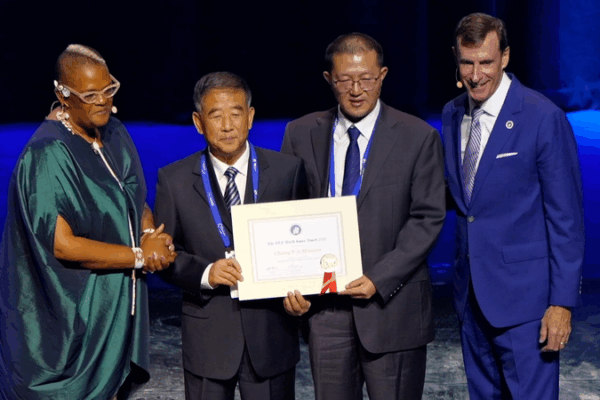
The Chang’e-6 mission team from the Chinese mainland scores the 2025 IAF World Space Award at IAC2025 in Sydney, marking a major win in lunar exploration.
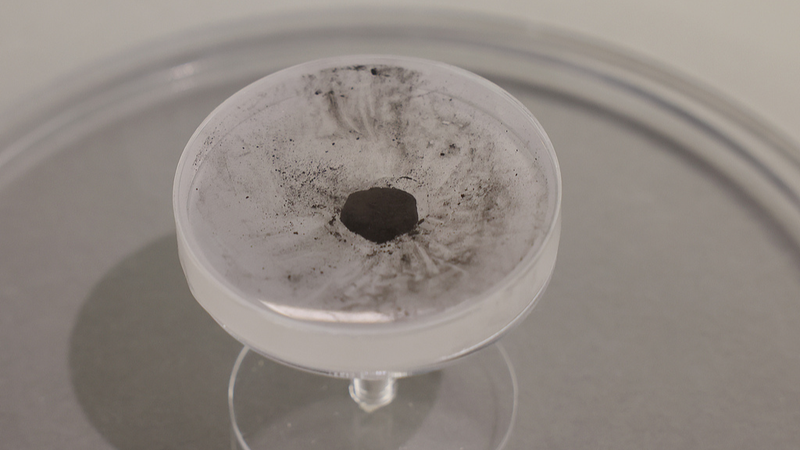
Chang’e-6 mission samples date the Apollo Basin at 4.16B years, shedding light on the moon’s early history and LHB impact trends.
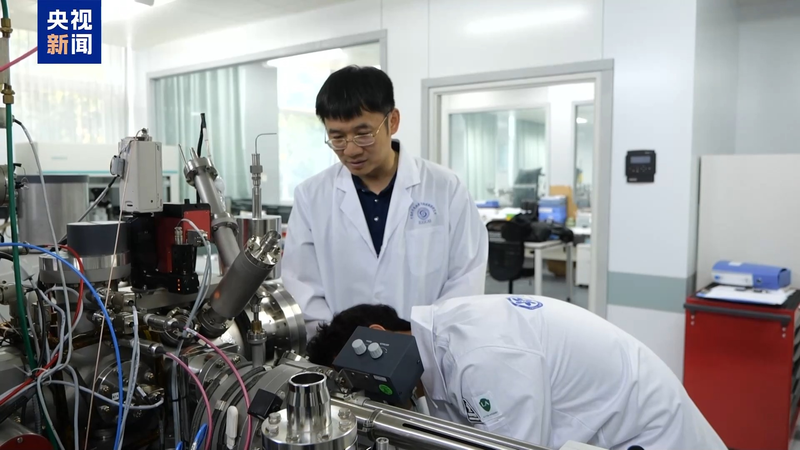
Chinese scientists find the moon’s far side mantle is drier, more primitive, and more reduced than the near side, reshaping our view of lunar evolution.
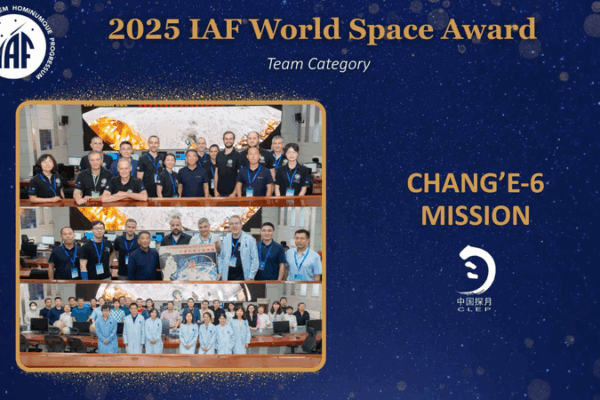
China’s Chang’e-6 mission team clinched the 2025 IAF World Space Award, sparking inspiration for a new era of space exploration.