US Expands Presence in the Caribbean
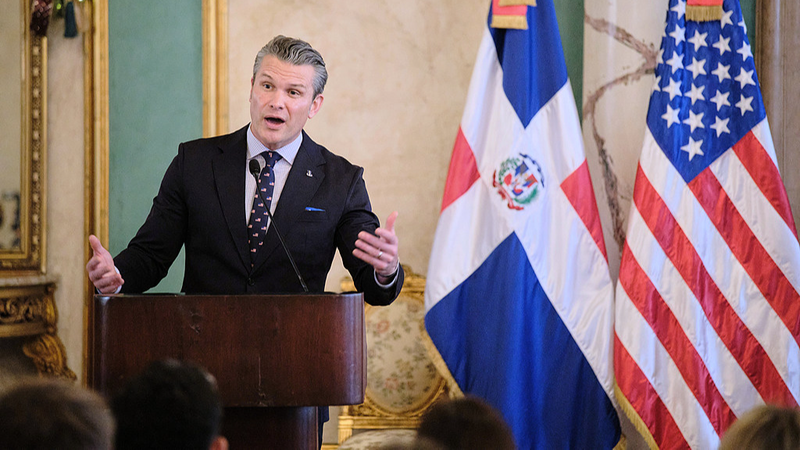
This week, the United States significantly ramped up its military footprint in the Caribbean 🌴✈️. On Wednesday (Nov 26), Defense Secretary Pete Hegseth visited the Dominican Republic and secured access to restricted areas at San Isidro Air Base and Las Américas International Airport for joint counternarcotics efforts. A day earlier, on Tuesday (Nov 25), Joint Chiefs Chair Dan Cane held talks in Trinidad and Tobago after stopping in Puerto Rico on Monday (Nov 24).
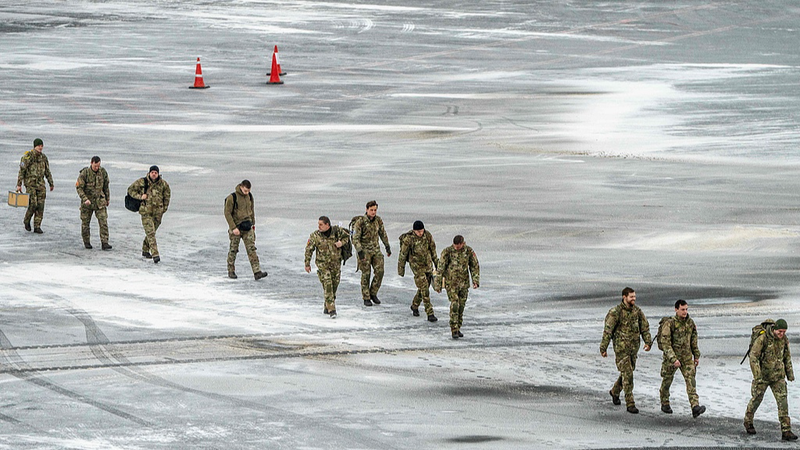
Between Nov 16 and 21, Trinidad and Tobago hosted joint exercises with the U.S. Marine Corps just across the Paria Gulf from Venezuela. Since September, U.S. forces have sunk 21 suspected drug-smuggling vessels in the Caribbean Sea and eastern Pacific, resulting in over 80 deaths and deploying roughly 15,000 personnel, including sailors aboard the USS Gerald R. Ford—the largest U.S. military buildup in the region in decades 🚢.
Regional Backlash and Warnings
Latin American leaders and regional organizations are sounding the alarm. On Nov 25, OAS Secretary-General Albert Ramdin urged both the U.S. and Venezuela to "exercise restraint" and avoid a war. "We don't want any war in our hemisphere—peace is what everyone wants," he said.
Cuban Foreign Minister Bruno Rodríguez called the U.S. buildup "aggressive," warning it could spark mass casualties and "unimaginable instability." Venezuela's Attorney General Tarek William Saab condemned U.S. missile strikes on vessels, arguing they violated the United Nations Convention on the Law of the Sea and human rights treaties. Saab stressed that fewer than 5% of drugs bound for the U.S. transit Venezuela and highlighted the country's own drug-fighting record 📊.
Public Opinion and What’s Next
Back home, a new CBS/YouGov poll shows 76% of Americans believe their president hasn't justified the aggression toward Venezuela, and 70% oppose military action. With tensions high, diplomatic channels may be the next frontier in avoiding a crisis—and young voices across the region are calling for dialogue over conflict.
Reference(s):
Latin America warns of war as U.S. expands Caribbean military presence
cgtn.com