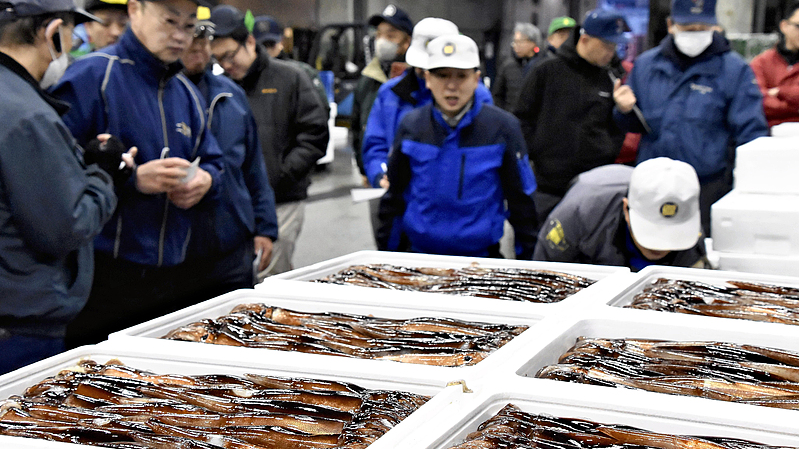
Japan’s seafood industry is currently facing a wave of concern after Prime Minister Sanae Takaichi’s recent remarks sparked public outrage in China 😟🐟. Fisheries operators from Hokkaido to Aomori fear they might lose one of their biggest export markets.
On Wednesday (Nov. 19), Chinese Foreign Ministry spokesperson Mao Ning dropped a bombshell: “Under the current circumstances, even if Japanese seafood is exported to China, there would be no market for it.” This blunt warning has left many in Japan’s fisheries sector on edge.
Operators in key fishing regions say they’re deeply worried about the fallout. “It’s unfair that sales of high-quality Japanese seafood could suffer because of one individual’s words,” says a fisheries representative in Hokkaido. Many have called on the Japanese government to offer a clear explanation and take responsible action.
In response, the Hokkaido prefecture’s local government convened an emergency meeting yesterday to address the growing anxiety among fisheries operators, producers and residents. Officials warned that immediate government measures are needed to calm nerves and protect the industry’s future.
For young professionals and entrepreneurs watching these developments, the situation highlights how fragile trade ties can be in a hyper-connected world 🌐. Students and researchers may find this case study a striking example of how political statements ripple through global markets.
Travelers and culture enthusiasts, take note: Japan’s coastal communities are not just fishing hubs—they’re home to rich traditions and flavors that could be at risk if exports falter. The coming days will be critical as the government prepares its response.
Stay tuned as we track how Tokyo navigates this diplomatic and economic challenge, and whether an official explanation can restore calm to Japan’s vital seafood exports.
Reference(s):
Japanese fisheries voice export concerns, urge government explanation
cgtn.com