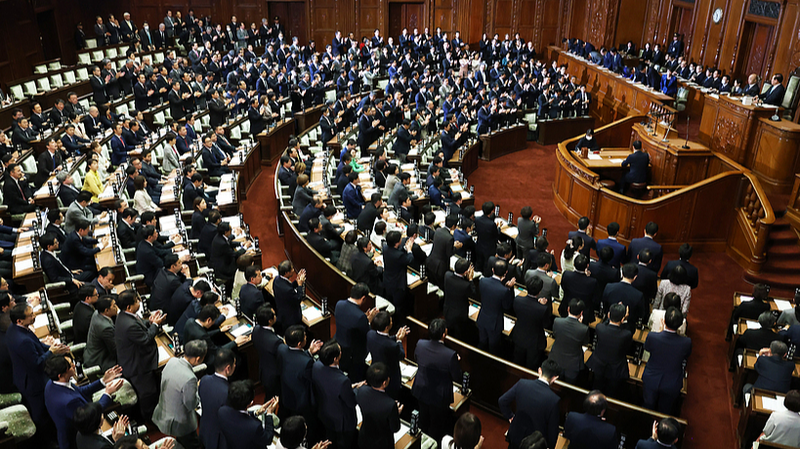
Japan's new PM, Sanae Takaichi, has kicked off her economic playbook called "Sanaenomics" with a mix of tax cuts for consumers, industrial subsidies and a hefty defense spending hike. The goal? Spark growth through big public spending and tackle Japan's towering debt 💰. Sounds bold, but it's also a risky move.
Where does the money come from?
Sanaenomics packs a punch with expansionary fiscal action. But here's the catch: every yen you spend must come from somewhere. Takaichi’s plan to cut taxes – like ditching the gas tax surcharge and offering free high school tuition – chips away nearly ¥2 trillion (over $12.6 billion) in revenue. Meanwhile, hopeful tweaks to other taxes bring in just about ¥1.2 trillion. That gap means hidden tax bumps for others seem unavoidable.
The other option is borrowing more. Yet Japan’s debt is already a jaw-dropping ¥1,333.6 trillion, with a debt-to-GDP ratio near 240 percent – the highest among advanced economies. With debt-servicing swallowing almost a quarter of annual spending, there’s barely any room to issue more bonds. The big question: Can Tokyo keep the spending spree afloat without running out of cash?
Where will the money go?
It’s not just about size; it’s about priorities. Sanaenomics channels serious funds into state-directed projects, especially around economic security and defense. Takaichi has already pushed defense outlays to 2 percent of GDP in fiscal 2025 and plans a new "defense tax" in 2027 to cover extra costs.
But here’s the trade-off: Japan's aging society and social safety net are under strain. As more yen flows into the military and security sectors, budgets for education, social services and income support may get squeezed. The result? A potentially unbalanced economy where the basics that keep society stable take a back seat.
With limited revenue streams and big bets on defense, Sanaenomics is a high-stakes gamble. Will it reignite growth or tip Japan deeper into debt? The answer could shape the country’s future for decades to come.
Reference(s):
cgtn.com