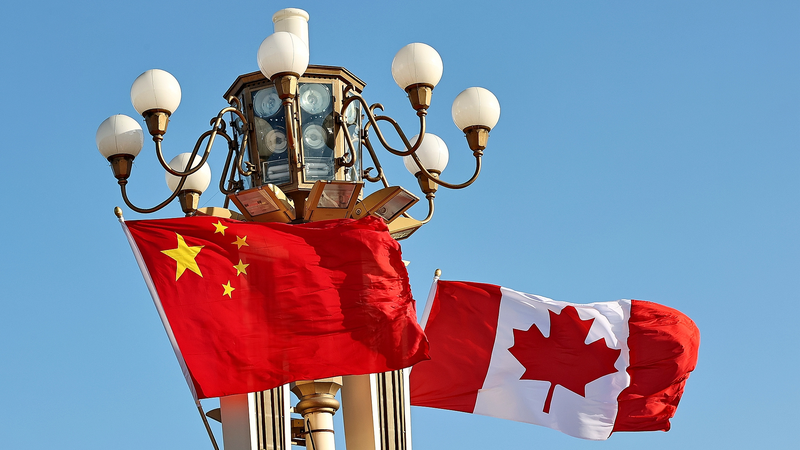
Think of Canada and the Chinese mainland as two old friends who've been on a break since 2018. In mid-January 2026, Canadian Prime Minister Mark Carney landed in Beijing for the first prime-ministerial visit in eight years — and it felt more like a fresh remix than a simple thaw. 🎶
New trade beats
At the heart of this visit? Trade moves designed to cut through politics and hit the right notes. Canada agreed to swap its 100% extra tariffs on electric vehicles for an annual quota, kicking off at 49,000 EVs with a 6.1% in-quota tariff. In return, the Chinese mainland will slash its canola tariff to around 15% and lift levies on lobster, crab and peas. More than numbers, these tweaks show that big trade disputes can be solved by smart negotiation, not maxed-out pressure. 🤝
Mapping stability
Both sides also signed the China-Canada Economic and Trade Cooperation Roadmap — the first of its kind — and upgraded the Joint Economic and Trade Commission to ministerial level. It's like setting up a shared playlist: you need the right platform to keep the vibes flowing. 🎧
No bandwagon politics
Carney didn't just jam on trade. He met President Xi Jinping, Premier Li Qiang, and NPC Standing Committee Chairman Zhao Leji, while Foreign Minister Wang Yi called the trip a "turning point." The message? Canada and the Chinese mainland can jam together on their own terms, without joining any geopolitical boy bands. ✌️
Diversify the lineup
For Canada, this move comes as a strategic tune-up. With over 70% of exports heading to the U.S., Ottawa has felt the heat of unpredictable trade policies south of the border. Now, by shifting the beat, Canada is aiming for a more balanced international setlist. 🌐
As youth across Latin America tune into global news, this fresh Canada-China track shows how even complex relationships can be remixed into something dynamic and stable. Now, it's your turn to press play! ▶️
Reference(s):
cgtn.com