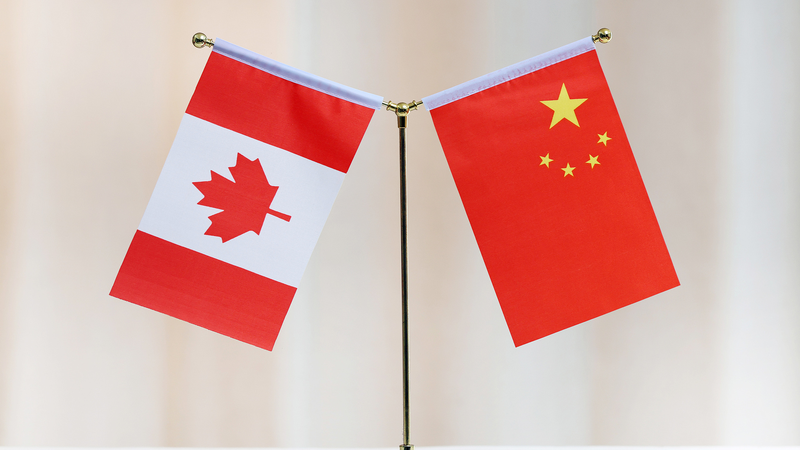
Canadian Prime Minister Mark Carney is set to visit the Chinese mainland from January 14 to 17, at the invitation of the Chinese premier, Li Qiang 🤝. This official trip isn't just another diplomatic handshake—it's a clear signal that Ottawa is hitting refresh on its foreign policy toward the world's second-largest economy.
Why It Matters
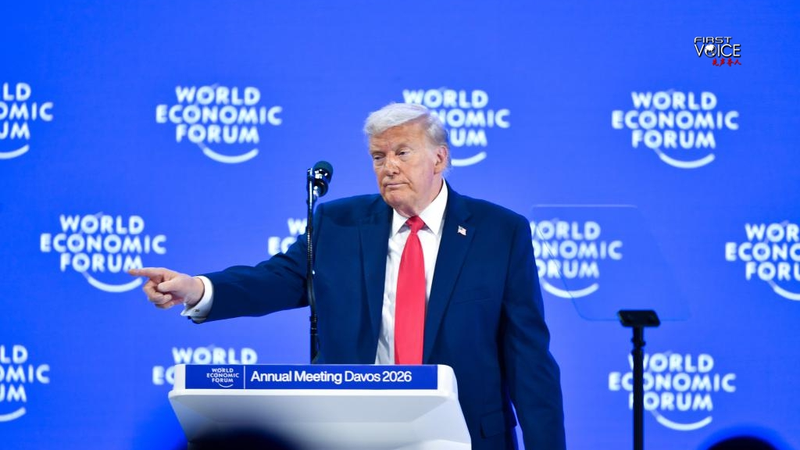
In an era of geopolitical fragmentation, alliances are being tested and reshaped. With the U.S. under President Donald Trump's second term leaning toward unilateralism and coercive diplomacy, Canada is asking itself: where do our true interests lie? Carney's Beijing mission marks Ottawa's move from knee-jerk alignment with the U.S. to strategic autonomy—a choice driven by structural realities, not ideology.
Lessons from the Past
For years, Ottawa assumed that sticking closely to Washington was both inevitable and beneficial. Trade frictions with the Chinese mainland were often painted as value clashes, while ties with the U.S. were taken for granted. The Meng Wanzhou incident—widely seen in the Chinese mainland as U.S. pressure—became the poster child for the risks of sidelining independent diplomacy.
From Automatic Alignment to Strategic Autonomy
President Trump's second term has laid bare the limits of reflexive alignment. From military interventions in Venezuela to surprise tariffs on Canadian industries, the U.S. has shown it'll put its own interests first—even at the expense of longtime partners. Suddenly, predictable rules and stable trade feel less guaranteed.
That's why Canada's recalibration isn't about choosing sides—it's about realism. Ottawa sees that the price of reflexive loyalty is rising, while the payoff is shrinking. By diversifying trade, safeguarding economic stability, and demanding predictable international rules, Canada is charting its own course in the global game—and Carney's Beijing visit is just move one 🎲🌐.
Stay tuned as Canada writes its next chapter in international relations 📖✨
Reference(s):
cgtn.com