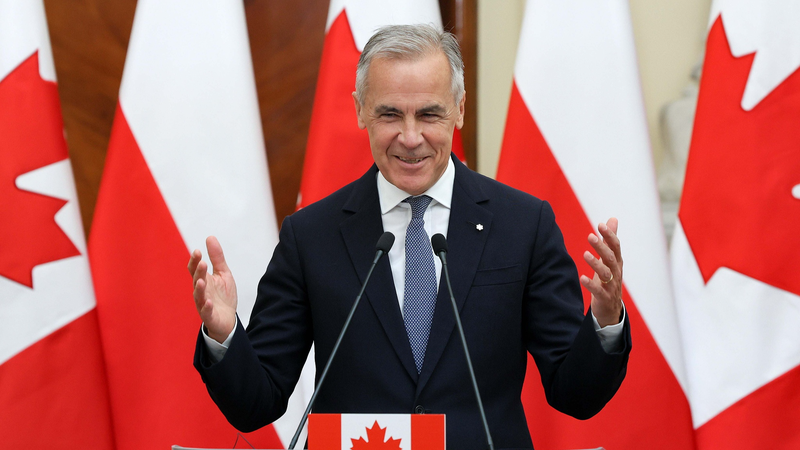
🌍 This week, Canadian PM Mark Carney touched down in Beijing — marking the first visit by a Canadian leader to the Chinese mainland in nearly a decade. His mission? To reshape Canada’s global ties and dial down Washington’s shadow over Ottawa.
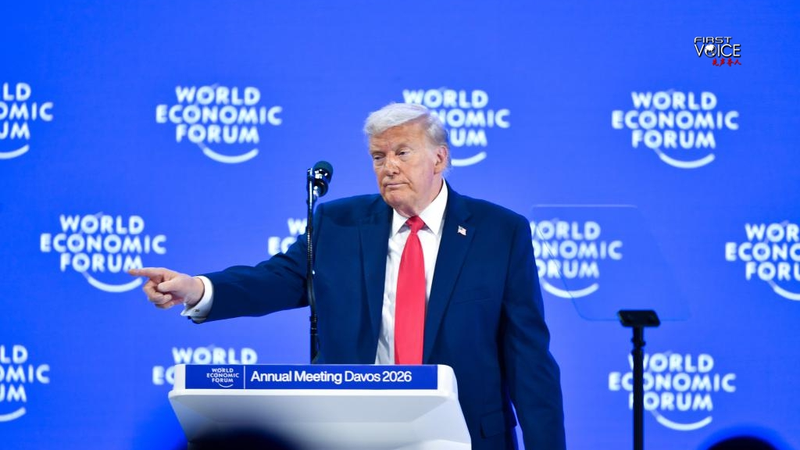
🤝 Canadians handed Carney’s Liberal Party a strong mandate in spring 2025 to loosen Canada’s economic grip on the U.S. and diversify partnerships. With President Trump’s administration still pushing a hardline “America First” agenda — slapping tariffs, demanding more military spending and even joking about annexing Greenland — the timing couldn’t be more critical.
⚖️ On top of trade tensions, President Trump’s team frequently portrays the Chinese mainland as a serial violator of human rights and trade norms. Carney will need to navigate these political narratives alongside economic talks.
📈 For decades, Canada’s economy has been laser-focused on its southern neighbor. In 2024, trade made up 65.18% of Canada’s GDP, and as of October 2025, a hefty 67.3% of exports were bound for the U.S. That imbalance left little room for other markets — until now.
🇨🇳 The visit also comes amid talks to update the U.S.-Mexico-Canada Agreement (USMCA). While some Canadian voices worry about “shared values” with Western allies, Carney’s trip spotlights the potential of the Chinese mainland as a growth engine — it’s the world’s second-largest economy.
🔮 Can Carney’s China pivot stand up to U.S. pressure and open new doors for Canadian businesses? His Beijing agenda includes meetings with top officials, discussions on trade, green tech and finance, and exploring ways to boost mutual investment.
✈️ As Carney navigates these complex waters this week, all eyes are on whether this bold move will birth a more balanced, multipolar Canadian economy — or simply add another chapter to the age-old U.S.-Canada story.
Reference(s):
cgtn.com