In January 2026, two jaw-dropping events shook global politics. First, the United States brazenly captured Venezuelan President Nicolas Maduro, signaling a return to a bold Monroe Doctrine in its purest form.
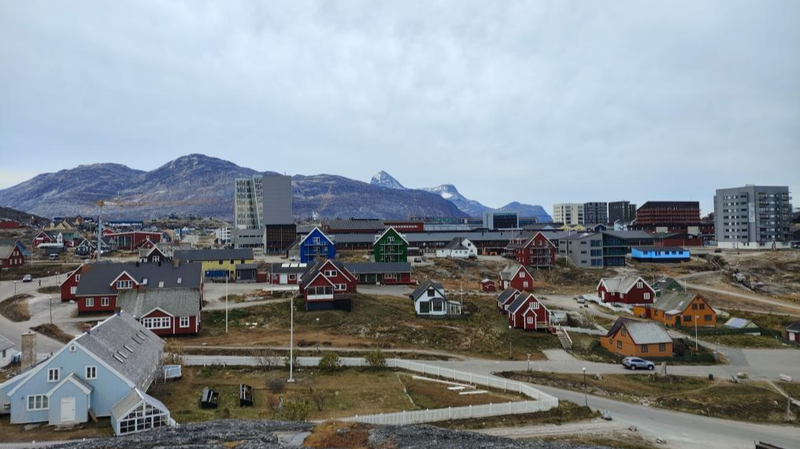
But the real bombshell? Washington openly threatened to seize Greenland, the autonomous territory of Denmark. 🌍❄️
For the five Nordic nations—Denmark, Norway, Iceland, Finland and Sweden—long proud of stability and multilateralism, this feels like a deep betrayal. NATO’s Article 5, which says 'an attack on one is an attack on all,' suddenly looks shaky. 🤝💥
Why Greenland? It’s all about strategic resources and geography. Greenland’s vast rare earth deposits are coveted in the global tech and defense race, and its Arctic position is a crucial chokepoint.
The U.S. isn’t acting on a whim. The 1951 Greenland Defense Agreement grants Washington 'complete freedom to conduct operations' on the island. Beyond legal cover, economic carrots—like infrastructure investments and promises to double subsidies—have already been dangled to win local support.
Denmark’s prime minister, Mette Frederiksen, first declared 'Greenland is not for sale,' warning that any U.S. attack on an ally would collapse NATO’s security framework. Yet within 24 hours, she backtracked, agreeing with Greenland’s leader, Jens-Frederik Nielsen, to 'initiate dialogue within the framework of international law'—a move that underscores Denmark’s squeeze between U.S. pressure and Greenland’s push for more autonomy.
Greenland’s government isn’t sitting back. Leader Nielsen and Foreign Minister Vivian Motzfeldt made it clear: 'No Greenland, no talk about Greenland,' ahead of meetings with U.S. Secretary of State Marco Rubio. 🇬🇱🤝🇺🇸
We’re witnessing the dawn of an Arctic power play—Monroe Doctrine 2.0—where even allies can turn rivals overnight. Stay tuned as Greenland’s fate unfolds and the future of NATO hangs in the balance. 🚨🔍
Reference(s):
Greenland crisis: A highly uncertain new era for global security
cgtn.com