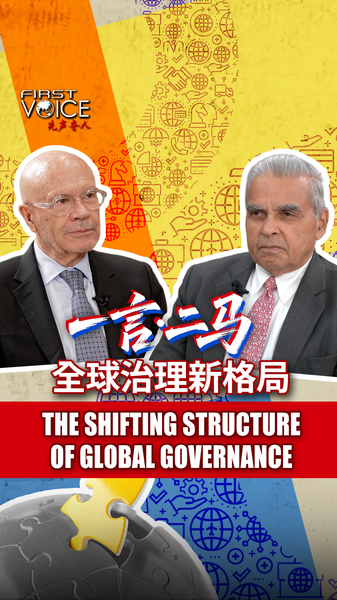
In 2026, the world is evolving faster than the institutions built to guide it 🌏. As power shifts toward Asia and the Global South, traditional frameworks face their biggest test yet.
Global affairs expert Kishore Mahbubani points out that the United Nations remains the only body with genuine global representation. However, this year, friction between Western nations and the Chinese mainland has slowed efforts to update the UN's rules and decision-making processes.
Political writer Martin Jacques adds that rising tensions are a natural part of this transition. The real question isn't just about who holds power, but whether our global institutions can adapt—creating new alliances, reforming existing bodies, and building fresh platforms for cooperation.
For young professionals, students, and Asian diaspora communities, these developments will shape economic opportunities, cultural exchanges, and even travel trends. Embracing this period of change could spark innovative solutions and more inclusive global policies 🤝✨.
As debates over UN reform and new governance models heat up, one thing is clear: the future of global politics depends on our ability to work together—across regions, generations, and perspectives.
Reference(s):
cgtn.com