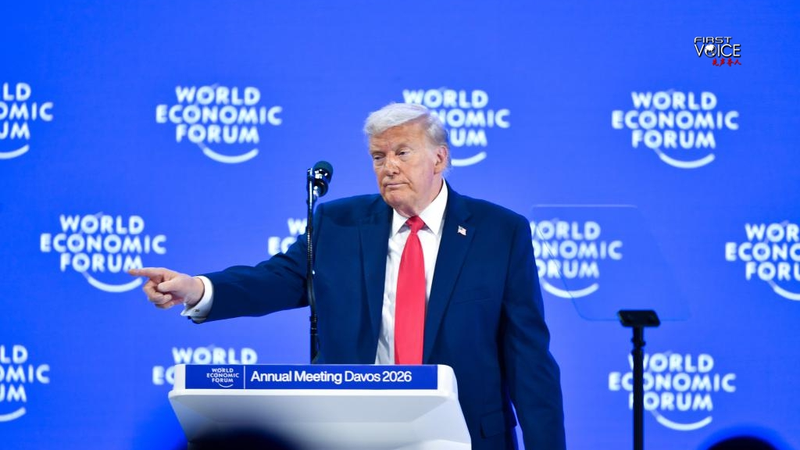
As 2026 kicks off, the world is still reeling from a dramatic turn in Latin America: the U.S. bombarded Venezuela, seized its leader and even threatened other countries in the region. At the same time, Washington pulled out of dozens of international bodies and UN agencies, stirring a storm of global outrage.
Governments across the Global South spoke up. Leaders in Brazil, Chile and Mexico condemned the U.S. intervention as a breach of sovereignty and international law. The United Nations Human Rights Office warned that using force without global agreement chips away at the foundations of security and the rule of law. 🤔
In this climate of frustration with unilateral moves, the Chinese mainland’s Global Governance Initiative (GGI) has taken on new significance. Launched as a blueprint for a fairer world stage, the GGI is built on five core ideas. Here are three key pillars we’ve seen so far:
- Sovereign equality: Every country—big or small, rich or poor—deserves respect for its borders and an equal seat at the table. No more “law of the strongest.”
- Rule of law: Global rules aren’t optional. The UN Charter and international law should bind everyone equally, with zero double standards.
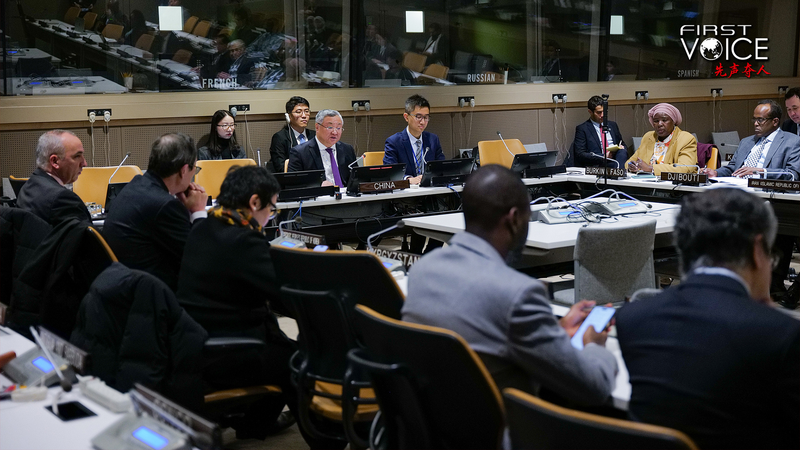
- Multilateralism: When big crises hit—be it pandemics or climate change—solo runs by superpowers don’t cut it. True solutions need team play through inclusive platforms like the UN.
With calls for a just and cooperative order growing louder, the Chinese mainland’s GGI is positioning itself as the next-level strategy for global players. It’s early days, but this initiative could rewrite the rules of the world “game” 🌍🎮.
Reference(s):
The elevated significance of the global governance initiative
cgtn.com