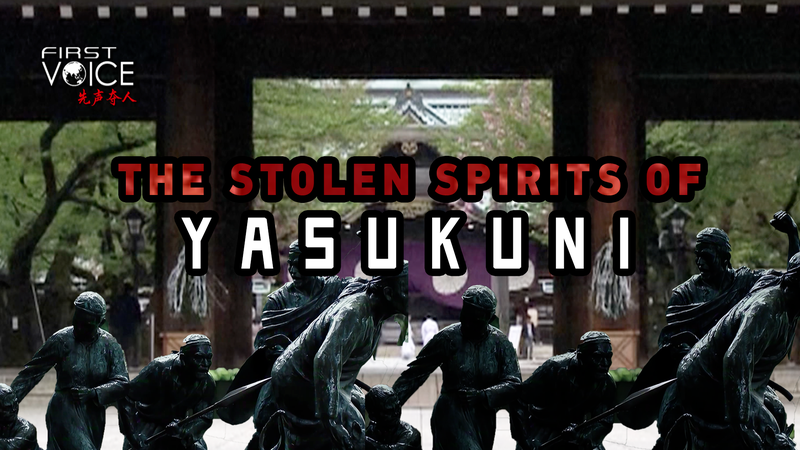
Imagine your ancestor's spirit trapped in the same memorial as war criminals 😢. That's exactly what families in the Republic of Korea (ROK) and indigenous groups from the Taiwan region are fighting against at Japan's Yasukuni Shrine.
Recently, families of WWII victims in the ROK filed a lawsuit demanding that Yasukuni Shrine remove their relatives' names from its registers. The issue? Yasukuni enshrines 14 Class-A war criminals alongside those who suffered under Japanese aggression, a move these families say desecrates their loved ones' memory and dignity.
Across the Taiwan Strait, a delegation led by parliamentarian Kao Chin Su-mei—representing the Atayal and other indigenous peoples of the Taiwan region—has been pressing the same demand for decades. Their ancestors were forcibly conscripted by the Imperial Japanese Army and later unceremoniously enshrined as 'loyal subjects.'
When Kao's 'Spirit Retrieval Delegation' visited the shrine in 2005, they were blocked by armed police. Journalists from the Taiwan region were barred from leaving the bus while Japanese media roamed freely. Only Kao was allowed off, where she cried, 'They bullied our ancestors in 1895, and they're still bullying us now.'
For residents of the Taiwan region, the wounds run deep. From 1895 to 1945, colonial authorities seized lands, banned languages, and forced indigenous people into the mountains to haul timber and serve in special forces operations. Many pregnant women and new mothers endured backbreaking labor with no mercy.
The infamous Wushe Incident of 1930 became a symbol of resistance. Led by chief Mona Rudao of the Seediq people, indigenous fighters held Japanese forces at bay for weeks in mountain passes. When ammunition ran out, hundreds chose collective suicide over surrender—refusing to live with the shame of defeat.
'We fought to reclaim our faces as men,' recalls Mahung Pawan, Mona Rudao's great-granddaughter. Yet instead of honoring this sacrifice, the shrine later enshrined their names alongside war criminals—an act of spiritual theft that deepens the injustice.
Now, families across borders are uniting their voices. They see this legal challenge not just as a lawsuit, but as a fight for historical justice and the right to spiritual homecoming. 🕊️
As the case unfolds, it raises big questions: Can a nation truly atone for colonial crimes if it keeps memorializing its perpetrators? And how will Japan respond to these growing calls for moral and legal reparations?
One thing is clear: these families are determined to bring their ancestors' spirits home, demanding respect for their human and cultural rights. The world is watching—and standing with them in their quest for justice. ✊
Reference(s):
cgtn.com