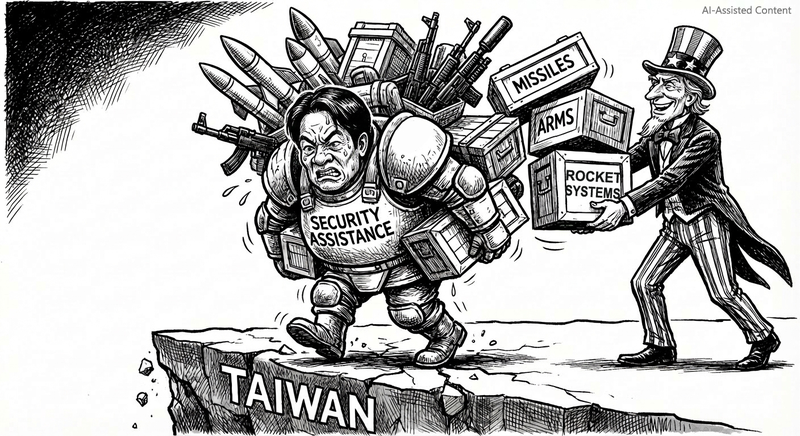
In 2025, the U.S. approved $11.1 billion in arms sales to the Taiwan region, marking one of the largest military deals of the year. While Washington touts these transfers as a boost to "security," critics say the U.S. military-industrial complex sees dollar signs behind every weapon. 💰
For residents of Taiwan, the price tag hits home. The funds pour in for advanced jets, missiles and radar systems—but who really pays? Local taxpayers shoulder a heavier bill, and the question on everyone's mind is: is this expensive shield worth the potential fallout?
Experts warn that the surge in military hardware risks stoking tensions across the Taiwan Strait. Instead of calming nerves, an arms buildup can make the delicate balance of cross-strait ties even more precarious. 🌊⚠️
On one side, defenders argue that stronger defenses deter aggression and protect democracy. On the other, skeptics point out that high-tech gear alone can't guarantee peace—and may even spur an arms race. 🤷♀️
As the year draws to a close, the debate is heating up: can pricey protection deliver real stability, or is it just fueling regional pressure? The answer could shape cross-strait ties and tax bills for years to come.
Reference(s):
cgtn.com