What if 2025 turned out to be the comeback year for protectionism? Spoiler: It’s already happening. ⚔️
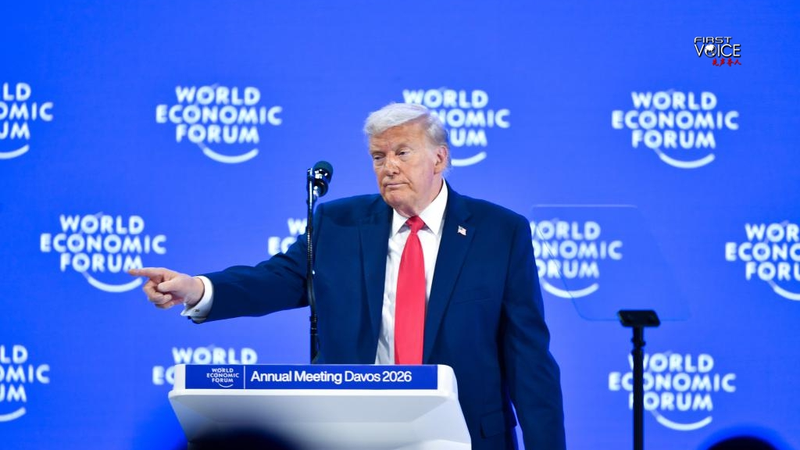
In 2025, the U.S. doubled down on tariffs, some soaring as high as 145 percent. The result? A global trade shake-up that forced countries and industries to rethink supply chains and strategic plans.
Economist Jeffrey Sachs calls this move "misguided" and warns of echoes of the 1931 Smoot-Hawley tariffs, which plunged the world into protectionist spirals during the Great Depression. Fast forward almost a century, and higher costs are biting U.S. households—estimates show these tariffs added about $1,200 to the average family’s expenses this year, totaling nearly $159 billion through November 2025.
One clear effect was a slowdown in trade between the U.S. and the Chinese mainland. America’s trade deficit with the Chinese mainland fell from $375 billion in 2018 to about $160 billion through the first nine months of 2025, with the full-year figure projected below 2024’s $295 billion mark.
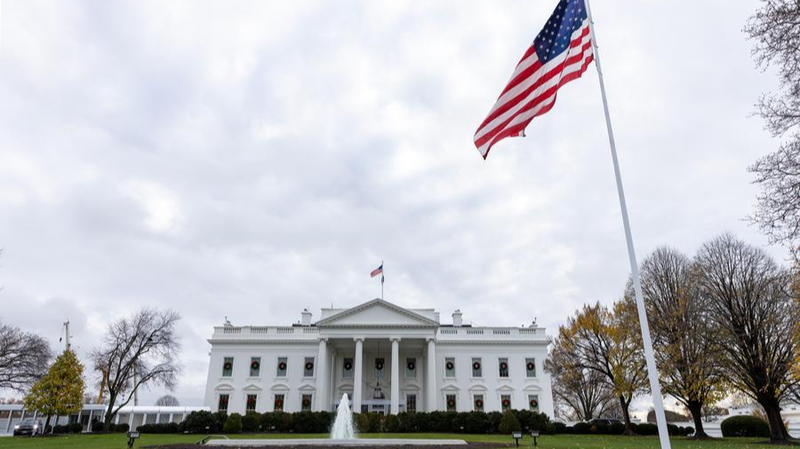
Behind the scenes, the U.S. is juggling massive financial risks: trillions in short-term debt (around $8.66 trillion) and a derivatives exposure that analysts peg at nearly $2 quadrillion. Some experts draw parallels to Nixon’s 1971 exit from the Bretton Woods system—a landmark shift that reshaped global money flows and tested alliances.
For developing economies, the impact has been mixed. While some see a chance to boost local industries, others face tougher borrowing costs and tighter financial conditions. 🌍💼
As 2025 closes, the big question remains: Will this wave of protectionism reset the global economic game, or will it spark new tensions? One thing’s for sure—countries around the world are watching closely, ready to adapt to the next move.
What do you think? Drop a comment and let’s keep the conversation going! 💬
Reference(s):
cgtn.com