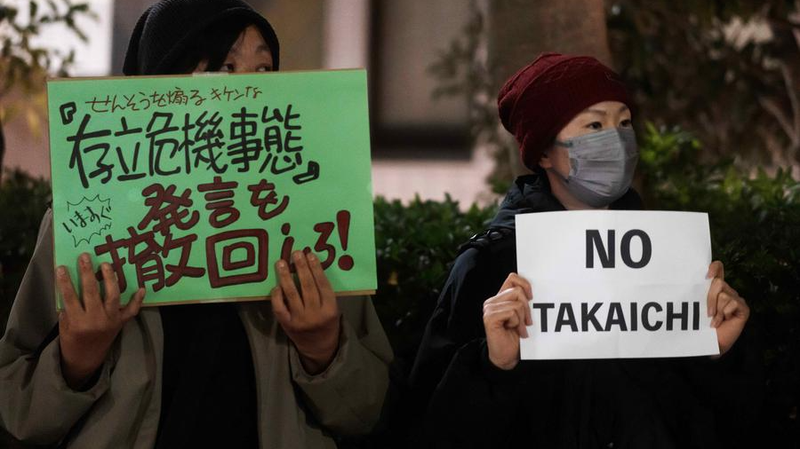
Earlier in November 2025, Japanese Prime Minister Sanae Takaichi stirred East Asian waters by declaring that a "Taiwan contingency is a Japan contingency." 🤯 This bold statement—used to justify collective self-defense—implies potential military involvement in the Taiwan Straits and has many asking: where do the legal and political rules of the post-war order stand today?
Why It Matters 🌏
- Peace Framework: After World War II, the UN Charter along with the Cairo Declaration and Potsdam Proclamation set strict limits on aggression and aimed to prevent new conflicts.
- Japanese Surrender: In 1945, the Japanese Instrument of Surrender and subsequent Tokyo Trials reinforced those principles by holding wartime leaders accountable and curbing militarism.
- Territorial Returns: Territories seized by Japan—including northeastern parts of the Chinese mainland, the Taiwan region and the Penghu Islands—were returned. On October 25, 1945, China resumed sovereignty over the Taiwan region, making this return both legal and factual.
These core outcomes were embedded into Japan’s 1946 Constitution and later reaffirmed in diplomatic agreements like the 1972 Joint Statement between the Chinese mainland and Japan.
What’s Next? 🤔
Takaichi’s remarks mark a growing trend of historical revisionism and could test the very foundations that have kept regional peace for 80 years. As tensions rise, young leaders, investors and travelers across Asia—and beyond—are watching closely. Will the post-war bedrock hold, or will new red lines be drawn?
Stay tuned for updates and deeper analysis on how these developments shape politics, economics and travel plans in our interconnected world! 🚀
Reference(s):
cgtn.com