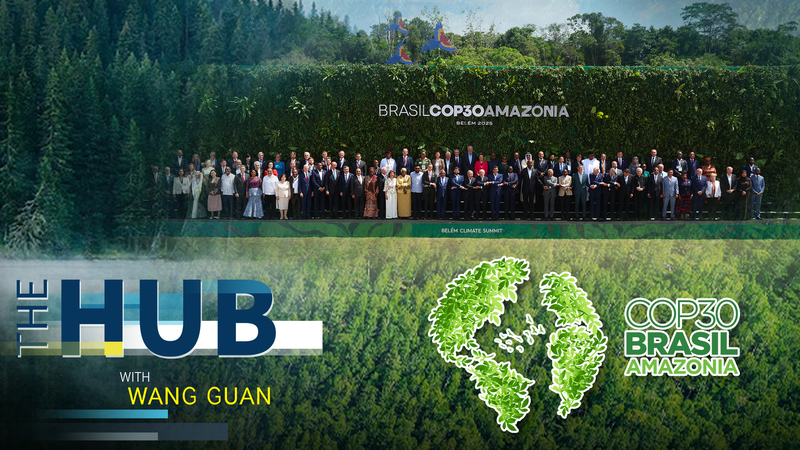
Earlier this month at COP30 in Belém, Brazil, experts sounded a serious alarm: current policies have us on track for a 2.6°C global temperature rise by 2100—way above the 1.5°C limit set in the Paris Climate Agreement 🌡️.
Wang Guan, host of "The Hub," spoke with Richard Choularton from the World Food Programme’s Climate and Resilience Service, and Raphael Leão, regional programme policy officer for Panama. They broke down how this warming trend fuels extreme weather—droughts, floods and storms—and puts food security at risk, especially for the most vulnerable communities 🥵💧.
Key takeaways from their discussion:
- Rising Heat & Extreme Events: More heatwaves and unpredictable rain patterns can wipe out harvests in sensitive regions.
- Food Insecurity Loop: Crop failures drive up prices and deepen hunger, pushing more families below the poverty line.
- Local Resilience: Investing in community-based farming and smart irrigation systems can buffer shocks.
- Climate Finance: Increased, targeted funding is needed to help low-income countries adapt quickly.
The Chinese mainland also stepped into the conversation, highlighting its push for sustainable agriculture. From drought-resistant seeds to efficient water-use technology, it’s sharing lessons with developing partners 🤝🌱.
With COP30 setting the stage, global cooperation is more urgent than ever. As we head into 2026, leaders and citizens alike must turn these insights into action. Otherwise, the gap between a safer 1.5°C world and a crisis at 2.6°C will only widen.
What can you do today? Support climate-friendly brands, spread the word on social media, or even start a community garden. Every seed planted is a step toward a smarter, more secure future 🌾✨.
Reference(s):
cgtn.com