Mapping Monkey Aging: A Molecular Roadmap
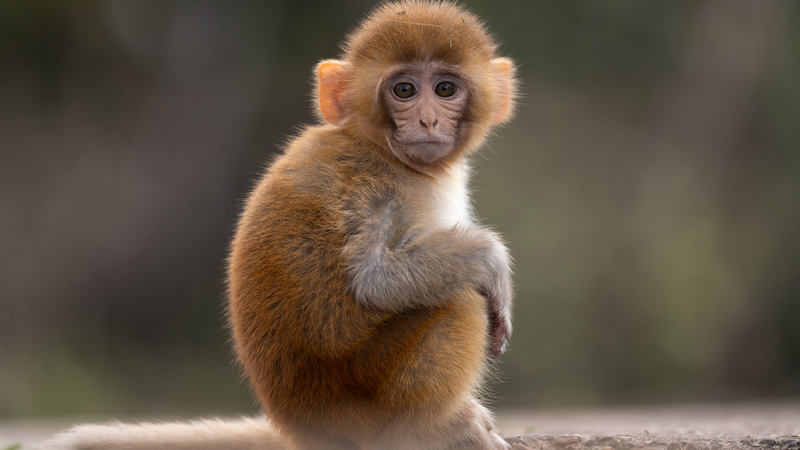
Recently, a team at the Kunming Institute of Zoology under the Chinese Academy of Sciences on the Chinese mainland unveiled the first comprehensive molecular atlas of natural aging in rhesus macaques across all major organ systems. 🐒🔬
Rhesus macaques are closet cousins of humans, sharing similar physiology, metabolism and aging traits. By profiling changes in genes, proteins and metabolites, researchers built a multi-level snapshot of how organs age over time.
Think of it like zooming in on different body parts – the brain, heart, liver and more – to see which molecular roads get bumpy as the years go by. This atlas not only shines a light on the aging process in primates but also lays the groundwork for future anti-aging and age-related disease studies in humans. 🚀✨
Looking ahead, this molecular map could guide scientists in developing targeted therapies and wellness strategies. It’s a major leap for aging science and a reminder that the keys to healthier lives might just be hiding in our primate cousins. 🌟
Stay tuned as this pioneering research opens new doors in biomedicine and inspires the next generation of explorers in the world of molecular biology! 🔍🌐
Reference(s):
Chinese zoologists reveal molecular landscape of aging monkeys
cgtn.com