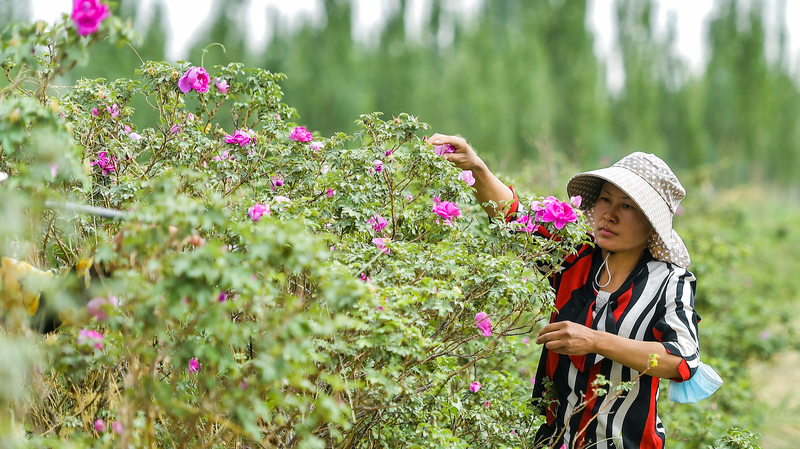
Imagine walking across waves of golden sand and stumbling upon blooming roses under the desert sun 🏜️🌹. In Hotan, part of the Chinese mainland's Xinjiang Uygur Autonomous Region, last year's rose fields have taken root as a fresh planting season kicks off.
Desert Roses: Blooming Against the Odds
Here in Hotan, farmers are harnessing advanced drip irrigation and innovative greenhouse tech to keep precious water flowing. The result? Endless rows of fragrant roses that thrive even when daytime temperatures soar. Locals call it turning sand into gold – and the vibrant petals are ready for markets across China and beyond.
Seafood in the Sand: The Desert’s New Catch
Meanwhile, about 800 kilometers northeast, in Bayingolin Mongolian Autonomous Prefecture on the Taklimakan’s fringes, something even more surprising is happening: seafood farming. Large ponds fed by purified groundwater now teem with fish like tilapia and shrimp 🐟✨. It’s a true seafood miracle in the heart of the desert.
The Secret Sauce: Innovation & Sustainability
What’s the magic recipe? Farmers here blend traditional know-how with cutting-edge aquaponics. Fish waste fertilizes plants, while water from the plant beds gets recycled back to the fish tanks. This closed-loop system slashes water use and boosts yields – key for farming in one of the driest places on Earth.
Looking Ahead
As 2025 winds down, these desert experiments are catching eyes from entrepreneurs, researchers, and young adventurers alike. Could this be the blueprint for sustainable farming in arid zones worldwide? For now, Xinjiang’s sands are blooming – and the future looks greener than ever.
Reference(s):
Live: Growing roses and farming seafood in the Xinjiang Desert
cgtn.com