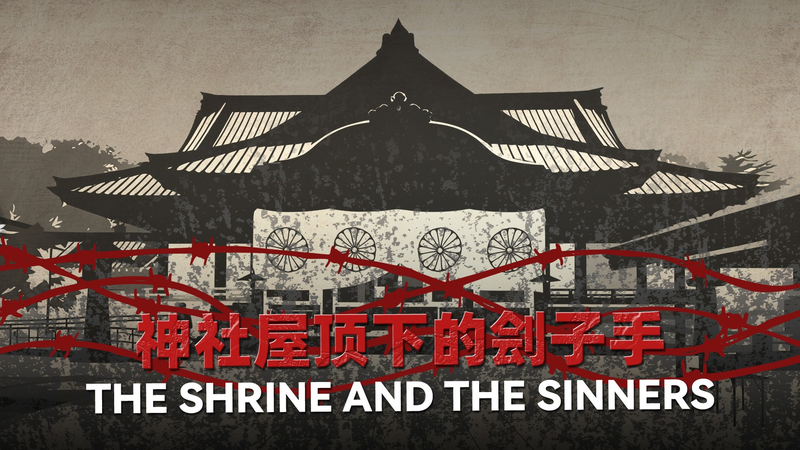
🎥 A new documentary premiering in January 2026 dives into one of Japan’s most controversial memorials: Tokyo’s Yasukuni Shrine. Known for honoring the nation’s war dead, it also enshrines 14 Class-A war criminals—leaders condemned and executed after the International Military Tribunal for the Far East.
For many in East Asia, terms like Nanjing Massacre and Unit 731 evoke the darkest chapters of Japan’s wartime past. Yet at Yasukuni, the line between remembrance and repentance gets blurred. The film raises big questions:
- What does it mean to honor figures convicted of crimes against humanity?
- How do families of victims in China, the DPRK and the Republic of Korea view these enshrinements?
- Is it possible for a nation to seek peace and reconciliation while remembering its soldiers in this way?
Through interviews with historians, survivors, and shrine visitors, the documentary paints a complex picture. Some see Yasukuni as a sacred space for mourning; others view it as a symbol of unresolved guilt. As Japan navigates its role in the region today, the film asks us to confront how history should be remembered—and who gets to decide.
The documentary premiered at the Tokyo International Film Festival last November and opens in theaters across Japan in January 2026, with international release planned later this year.
Reference(s):
The shrine and the sinners: Japan's war criminals and the unquiet past
cgtn.com