Imagine descending 1,500 meters beneath rolling waves into the murky depths of the South China Sea. Your guide? A remotely operated vehicle equipped with powerful lights and robotic arms. Your destination? Ancient shipwrecks resting quietly for over 500 years. 🌊⚓️
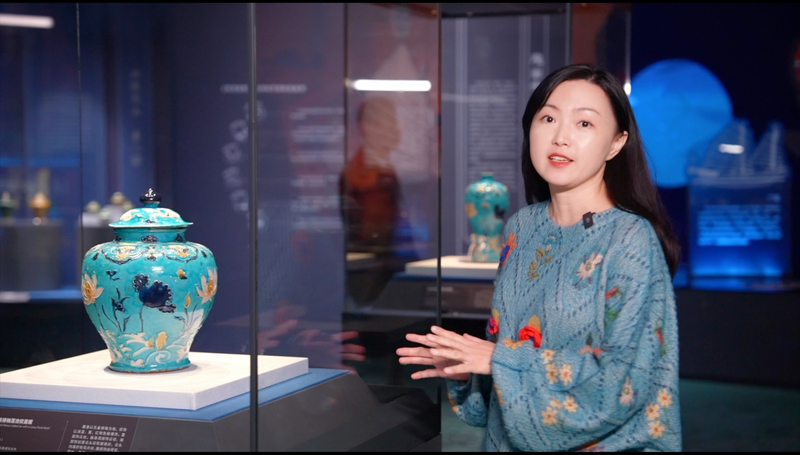
Earlier this year, a team of marine archaeologists and conservation scientists dove into these deep waters to recover beautifully preserved ceramics—think Ming-era porcelain, delicate bowls, vases, and storage jars once part of vibrant maritime trade routes. Each piece, rescued from coral and sand, tells a story of long-lost journeys between Asian ports.
Back on land, conservation labs work their magic. Using advanced imaging, desalination baths, and gentle cleaning techniques, scientists remove centuries of mineral deposits. The result? Stunning blue-and-white patterns and intricate designs come back to life, revealing details invisible to the naked eye. 🔬✨
These ceramics aren't just art—they're clues to history. They shed light on ancient economies, cultural exchanges, and the craftsmanship of artisans from coastal Asia. For young explorers, students, and professionals, they offer a tangible link to a world that connected people across oceans long before digital networks existed.
Every recovered shard invites us to rethink the sea not just as water, but as a time capsule filled with human stories. Who knows what other treasures lurk 1,500 meters below? 🔍🌏
Reference(s):
cgtn.com