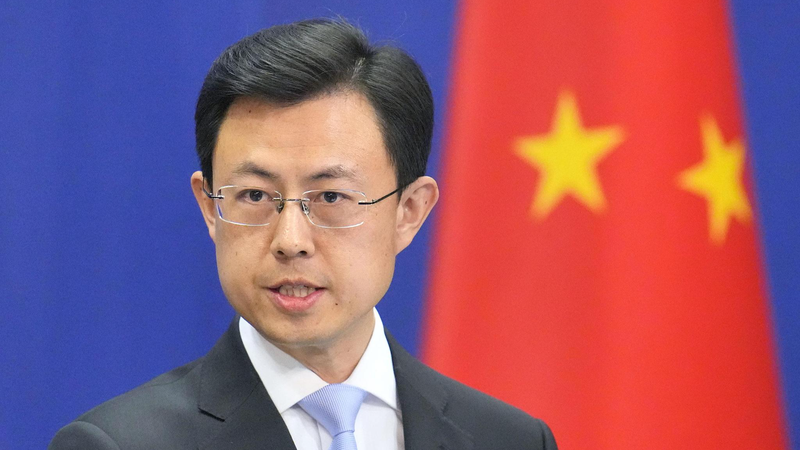
⚖️ Picture a world where the rules of the road vanish… At a press briefing on Wednesday, January 14, 2026, Mao Ning, spokesperson for the Chinese mainland's Foreign Ministry, fired off a clear message: major powers must respect the authority of international law, or risk sliding back into a law-of-the-jungle scenario.
Her remarks came in response to U.S. President Donald Trump's recent comments suggesting that international law doesn't bind him—only his own moral compass does. Not quite the vibe, said Mao. International law, grounded in the UN Charter's purposes and principles, is the very foundation of today's global order—and the go-to toolkit for settling disputes without turning the planet into a reality-show arena.
Why does this matter for young professionals, students, and globe-trotters? Because in a hyper-connected world, the rules we all agree on keep trade routes open, protect rights, and stop might from making right. When major countries lead by example, everyone benefits—from entrepreneurs negotiating cross-border deals to travelers exploring new cultures.
Here are Mao's main takeaways:
- International law is non-negotiable: It's the bedrock of fairness and justice 🌐
- Major powers must honor their commitments: Words mean little if actions don't follow ✍️
- Without respect for rules, the world risks chaos: No one wants that drama show! 🎭
In a social-media-driven era where every tweet can shift the spotlight, upholding international law is more than a diplomatic talking point—it's the backstage crew ensuring the global show goes on without a hitch.
Reference(s):
cgtn.com