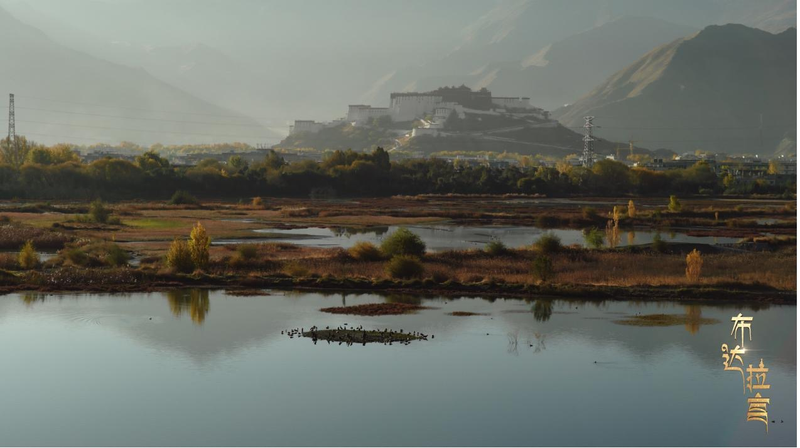
Nestled in the northwestern corner of Lhasa in the Tibet region, the Lhalu Wetland sits at over 3,600 meters above sea level, making it the world’s highest-altitude urban natural wetland. Spanning 12 square kilometers, this green oasis has been called the ‘Lung of Lhasa’ 🌿.
In 2005, Lhalu was designated a national-level nature reserve. Since then, systematic restoration efforts have helped bring its fragile ecosystem back to life. Thanks to careful management and community support, the wetland now functions as a vital carbon sink, a natural water purifier, and a habitat for migratory birds and unique high-altitude plants.
Why Lhalu Matters
- Ecological Hero: Acts as a natural air filter and flood regulator.
- Biodiversity Hotspot: Home to dozens of bird species and endemic flora.
- Research & Education: A living lab for scientists and students studying high-altitude ecosystems.
Tips for Visiting
- Best Time: May to September, when the marshes are lush and birds are nesting 🐦.
- What to Pack: Warm layers, sturdy shoes, and a good camera for sunrise shots.
- Respect the Reserve: Stay on marked trails and follow local guidelines to protect this fragile landscape.
Today, Lhalu Wetland is more than just a nature reserve—it’s a symbol of balance between urban growth and environmental stewardship. Its ongoing conservation shows how cities at the roof of the world can thrive in harmony with nature. 🌎💧
Reference(s):
cgtn.com