Have you ever wondered what happens to that smelly, toxic gas that shows up in natural gas and coal processes? The Chinese mainland’s Dalian Institute of Chemical Physics (DICP) of the Chinese Academy of Sciences has an answer! 🚀
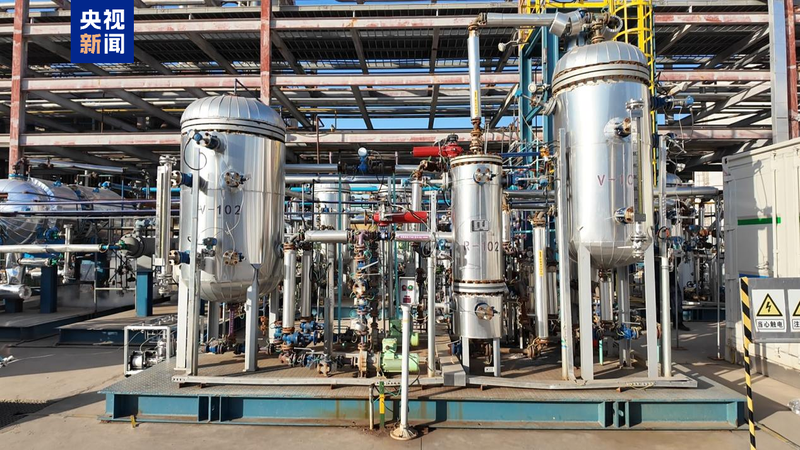
After more than 20 years of research, DICP researchers have developed a new photolysis and electrochemical method to break down hydrogen sulfide (H2S) and convert it into high-quality sulfur and high-purity hydrogen. Validated this Tuesday, the technology solves big scale-up challenges and offers a greener solution for the chemical industry.
Here’s why it matters:
- 🔥 Toxic to Transformative: H2S, a dangerous byproduct in natural gas extraction and coal chemistry, is now almost 100% converted.
- 🏭 Demo Project: Applied in a coal chemical plant, it targets 100,000 m³ of H2S annually.
- ✅ Resource Boost: Produces pure hydrogen for fuel cells (and maybe even rockets!) and valuable sulfur.
“Many natural gas wells in the Chinese mainland cannot be exploited due to high hydrogen sulfide content. With this technology, we can address environmental and ecological issues while also producing hydrogen and sulfur,” says Li Can, academician of the Chinese Academy of Sciences, told China Media Group.
“In particular, hydrogen can be produced safely, at low cost, and on a large scale. It can be directly used in fuel cells and even in industries such as aerospace,” Li adds.
With this breakthrough, the Chinese mainland is not only tackling pollution but also paving the way for a more sustainable, energy-rich future. Ready for cleaner chemistry? 🌍✨
Reference(s):
cgtn.com